Engine Rebuild & Assembly
Nov 2023 - Mar 2024
Overview
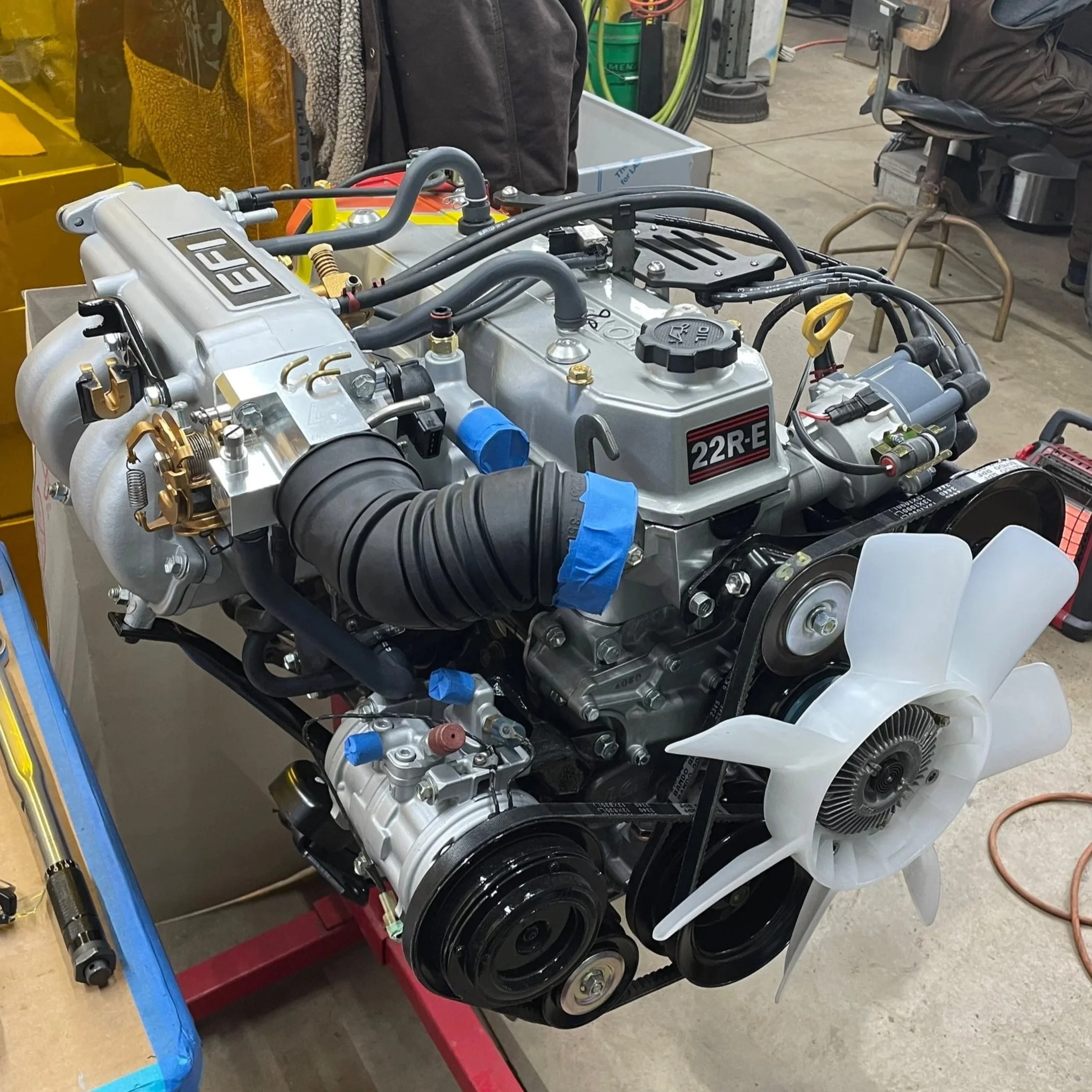
This project involved a complete teardown and rebuild of a high-mileage 1987 Toyota 4Runner 22RE engine to address oil consumption, leakage, and reliability issues.
The rebuild focused on restoring engine health and improving long-term durability through a full bottom-to-top reassembly using upgraded components and factory service manual procedures.
-
The engine exhibited excessive oil consumption, leakage, and inconsistent operation, including misfires and cold-start flooding.
The project scope involved diagnosing the root causes and performing a complete teardown and rebuild to restore engine health, reliability, and proper system function.
-
Machining & Bottom End:
Block and crankshaft inspected and machined by a local engine builder
Cylinder bores machined 0.020 inches over with matching oversized pistons and rings
Performance Upgrades:
Ported performance cylinder head with oversized valves
Performance camshaft selected to improve airflow and efficiency
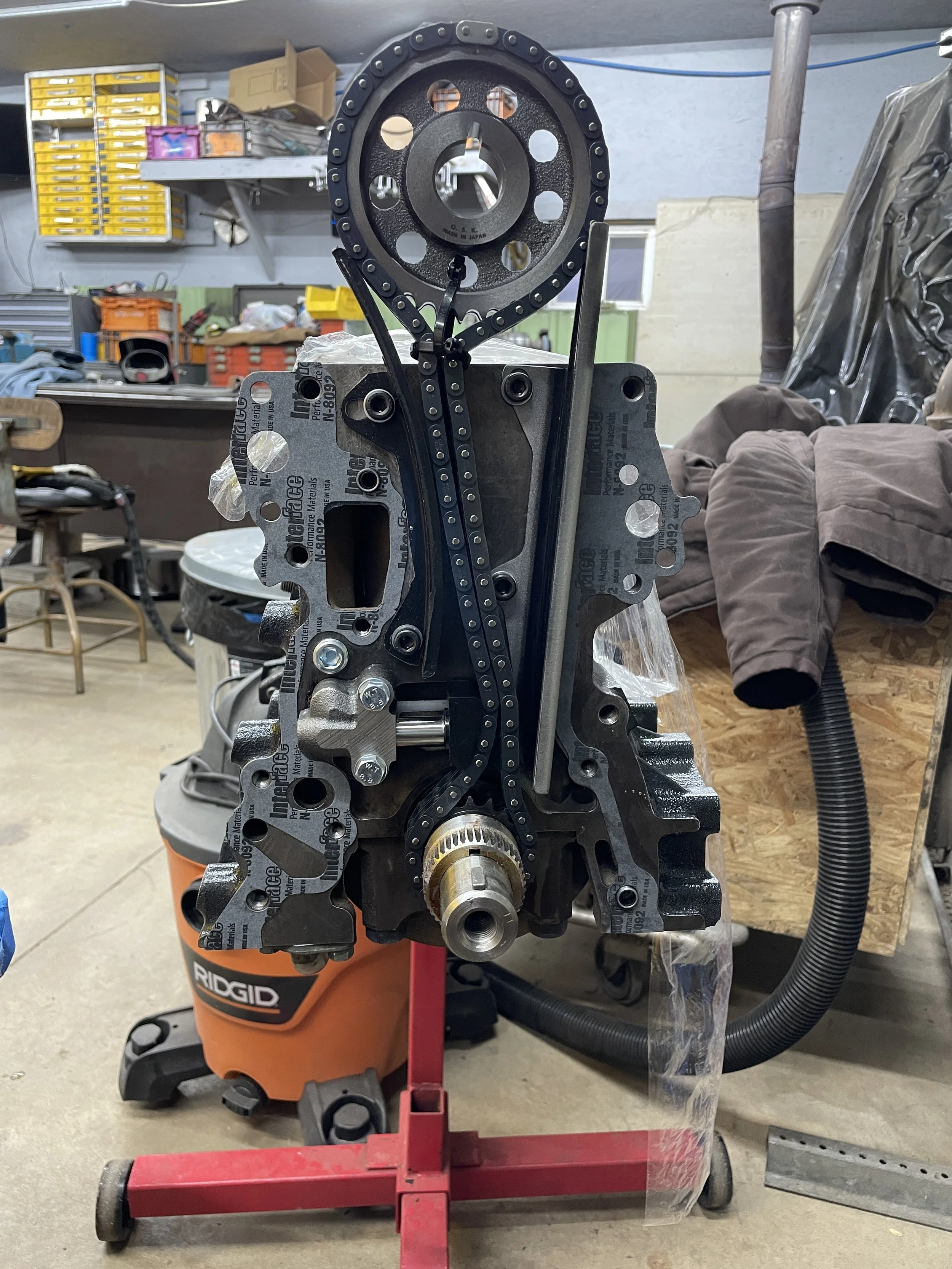
Dual-row timing chain upgrade
Supporting Systems:
New oil pump and water pump installed
Clutch, pressure plate, and flywheel replaced
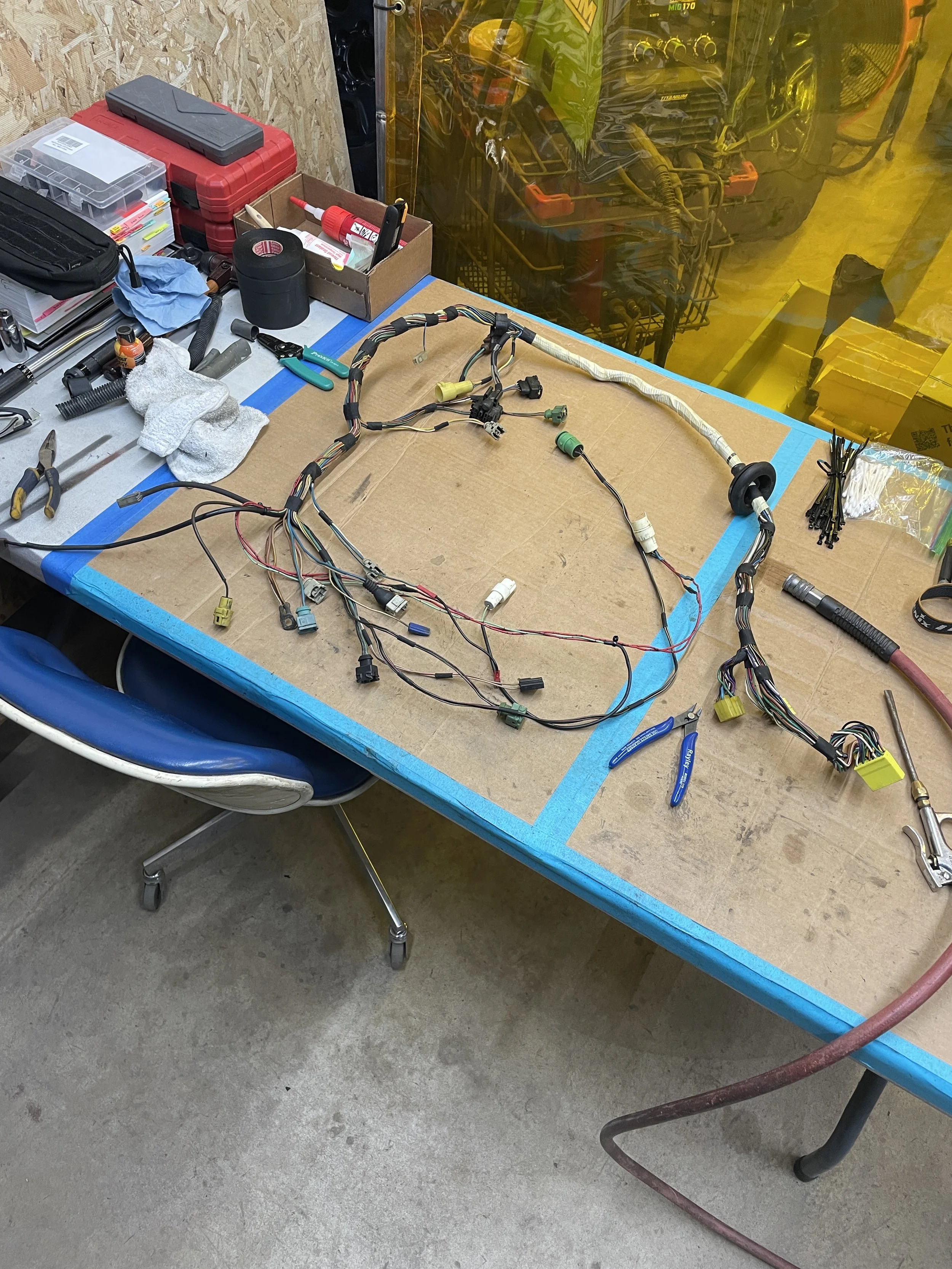
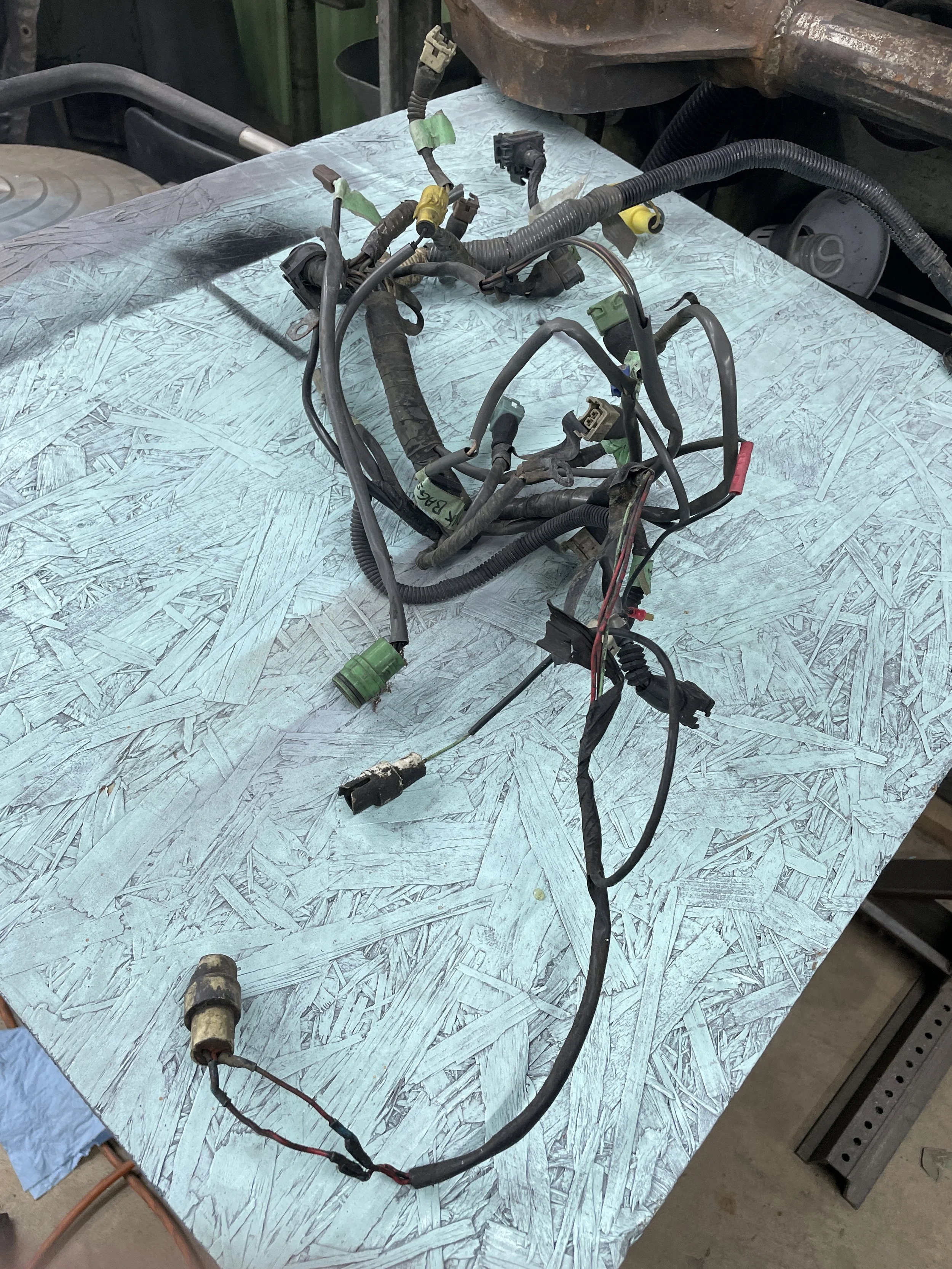
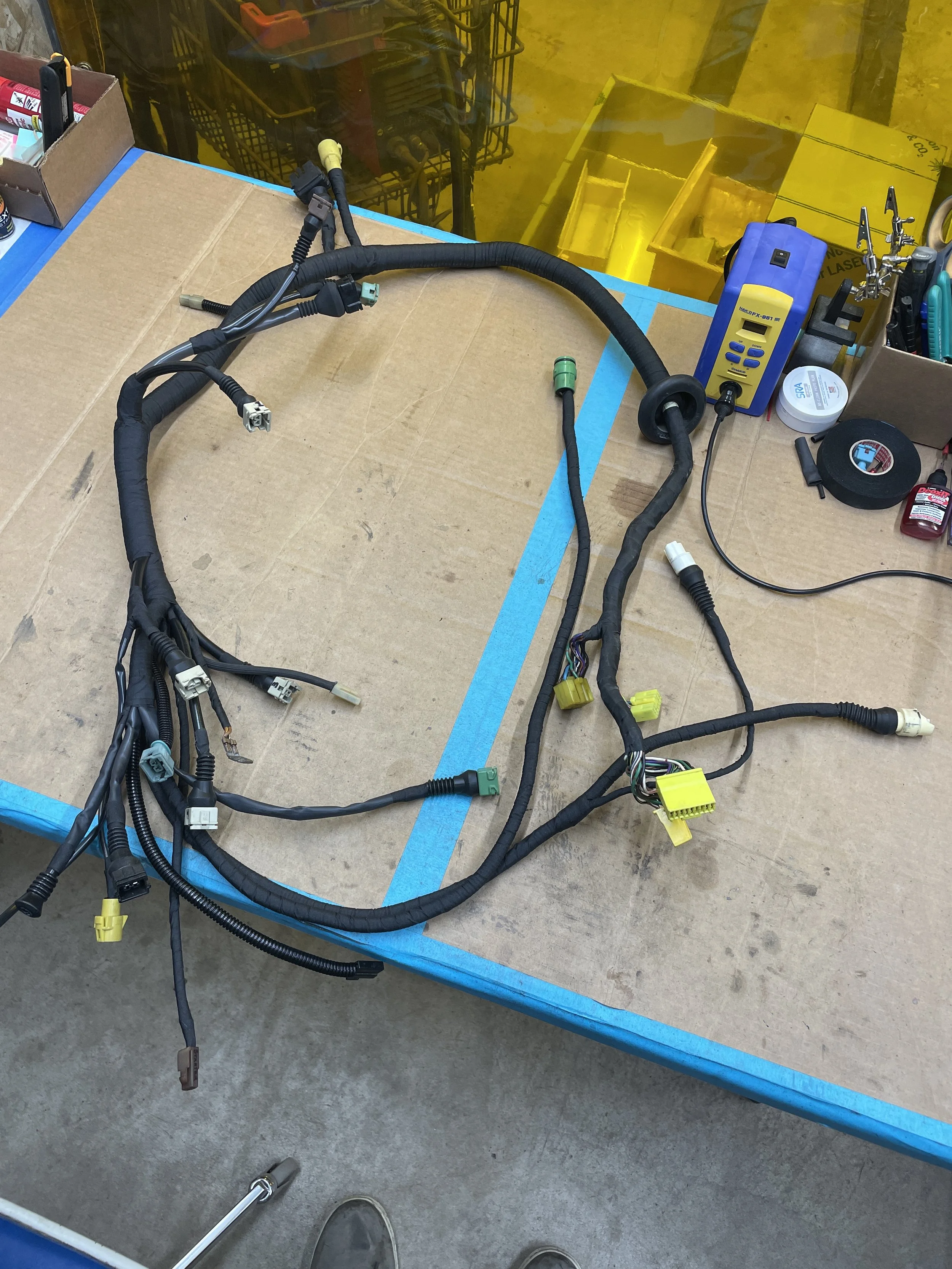
Engine wiring harness restored and reconditioned
OEM-equivalent replacement components used where applicable
-
Challenges:
Rebuilding an older engine required going beyond factory service manual procedures. Known design weaknesses and long-term wear patterns are often better documented through experienced builders and community knowledge. Cross-referencing multiple sources was necessary to identify best practices and avoid repeating common failure points.
Outcomes:
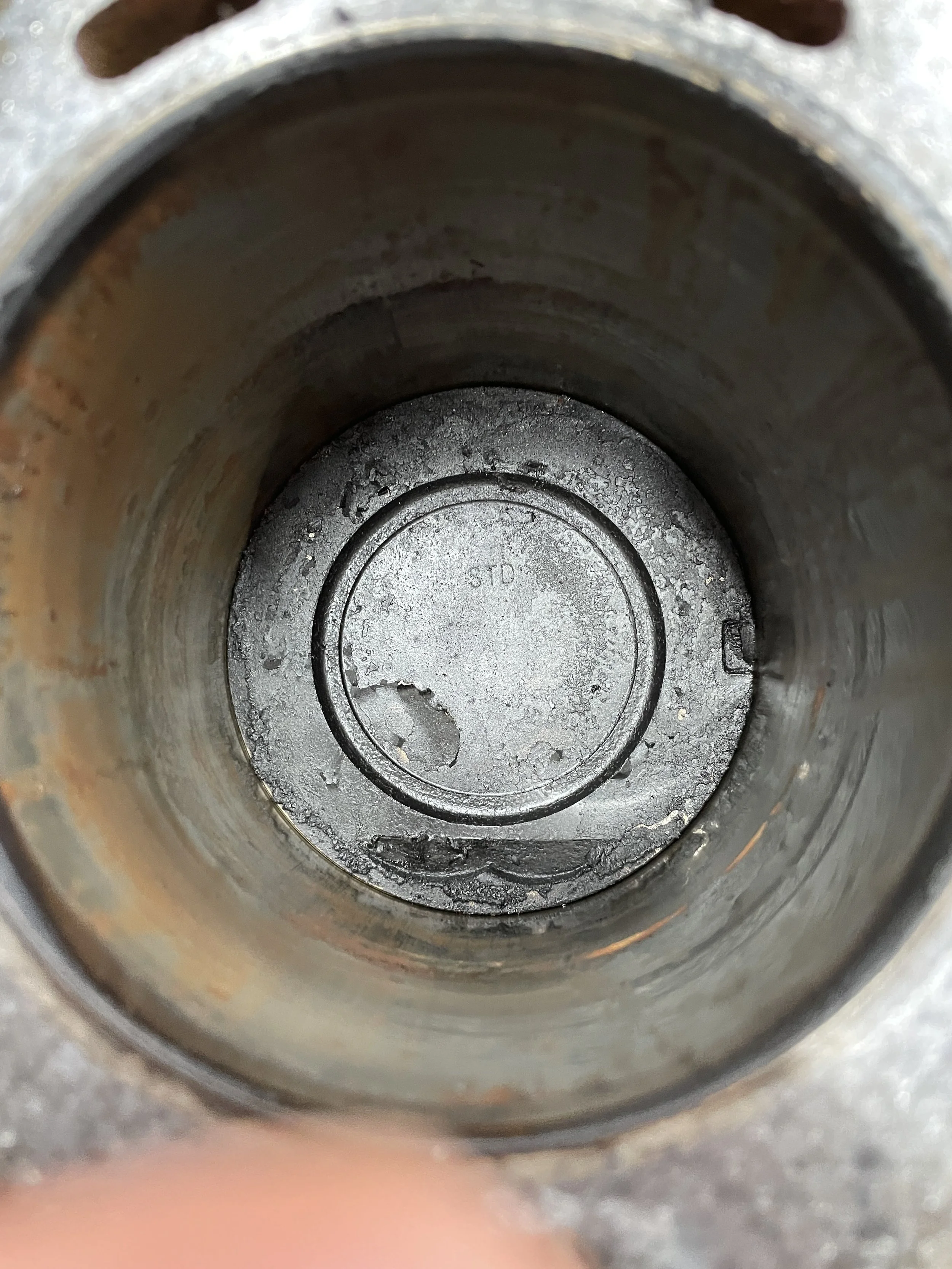
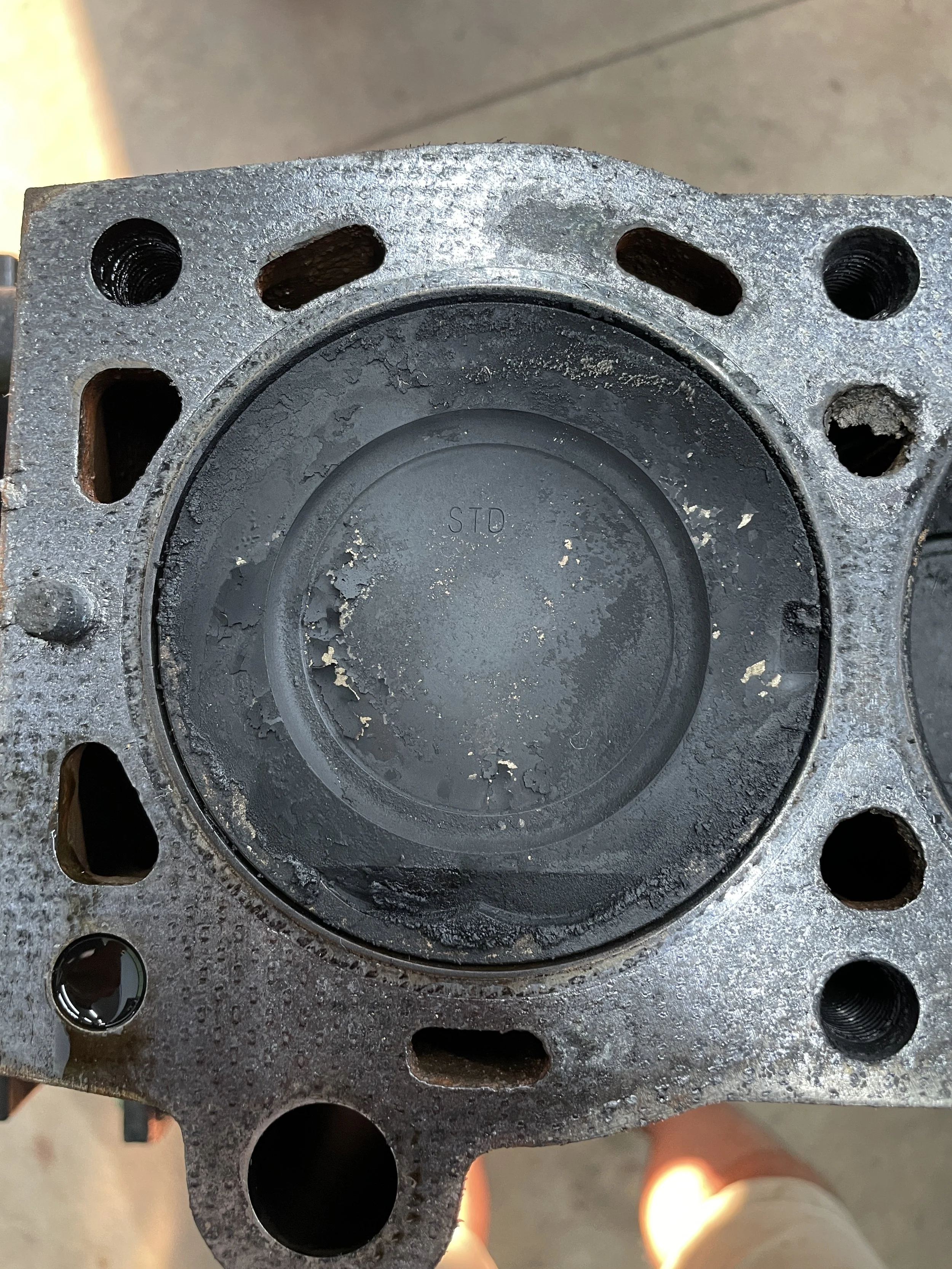
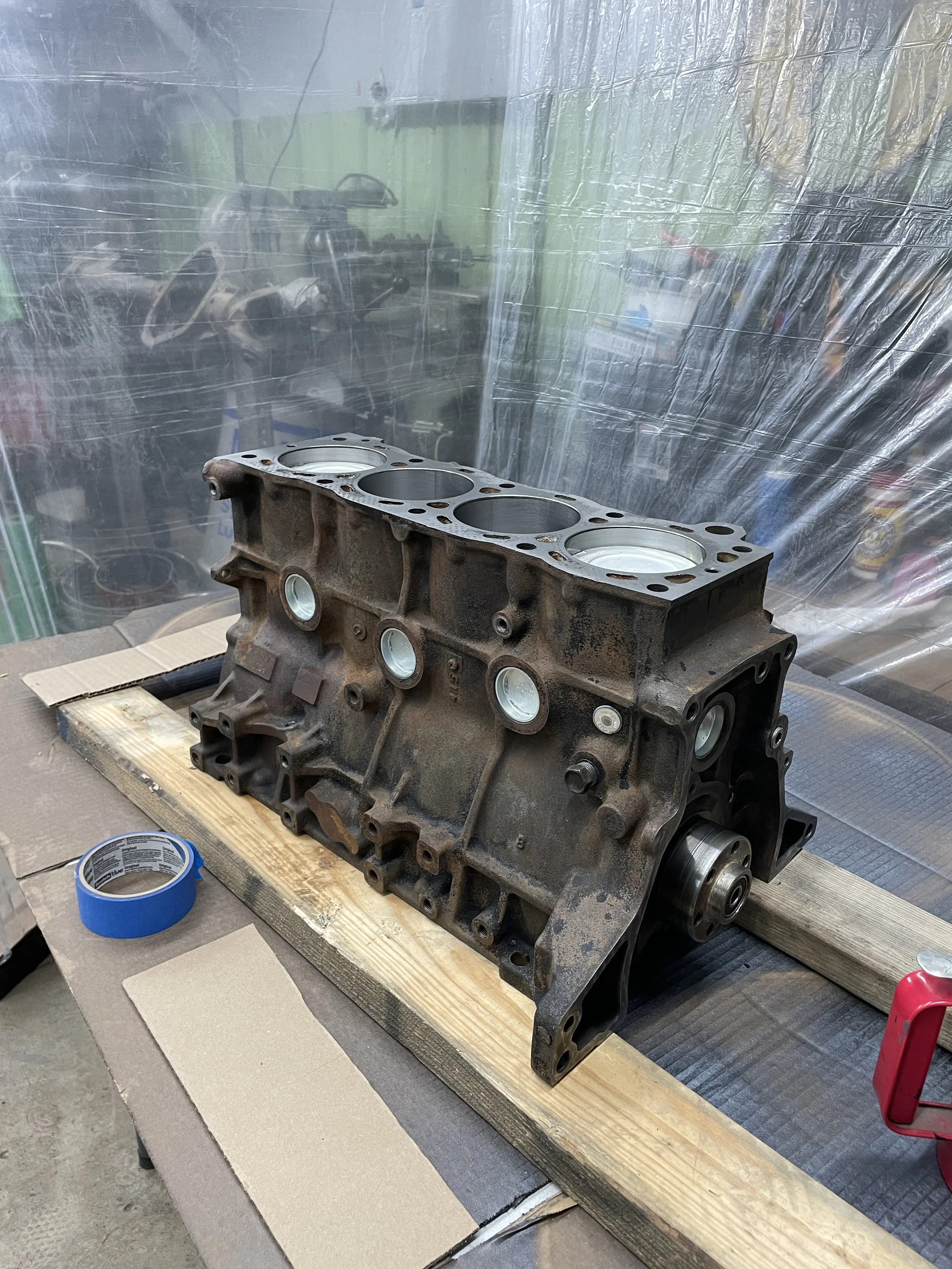
Inspection of the engine block revealed cylinder wall wear with slight out-of-round conditions, allowing oil to bypass the piston rings and causing excessive oil consumption. The block was machined accordingly, including cylinder boring and refinement, to restore proper sealing.
The engine required extensive restoration due to poor prior maintenance, leading to the replacement or refurbishment of most major components. The rebuild has been completed and fully assembled, and the engine is currently installed and awaiting initial startup and validation.
Explore This Project
Pre-Rebuild Condition
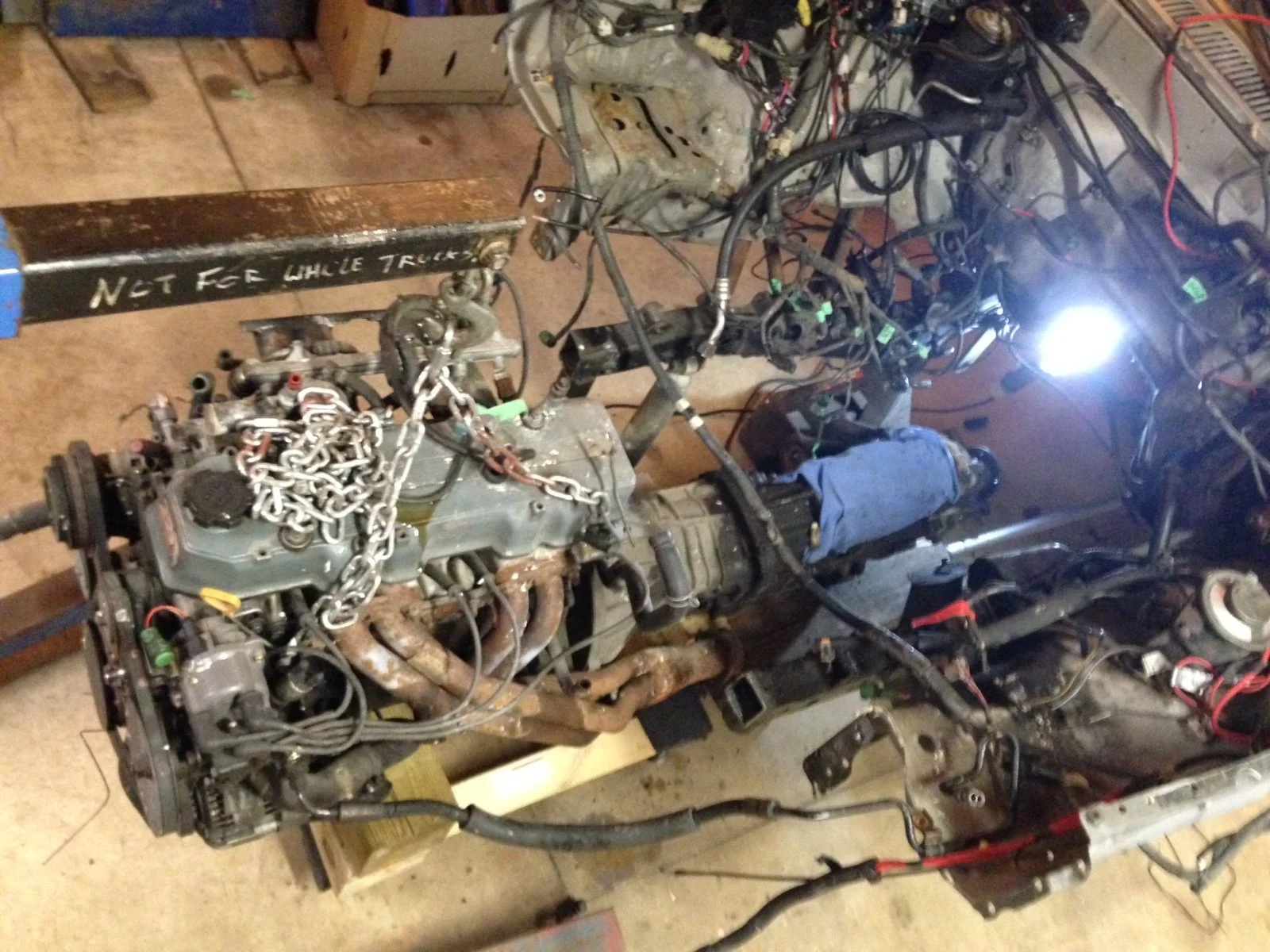
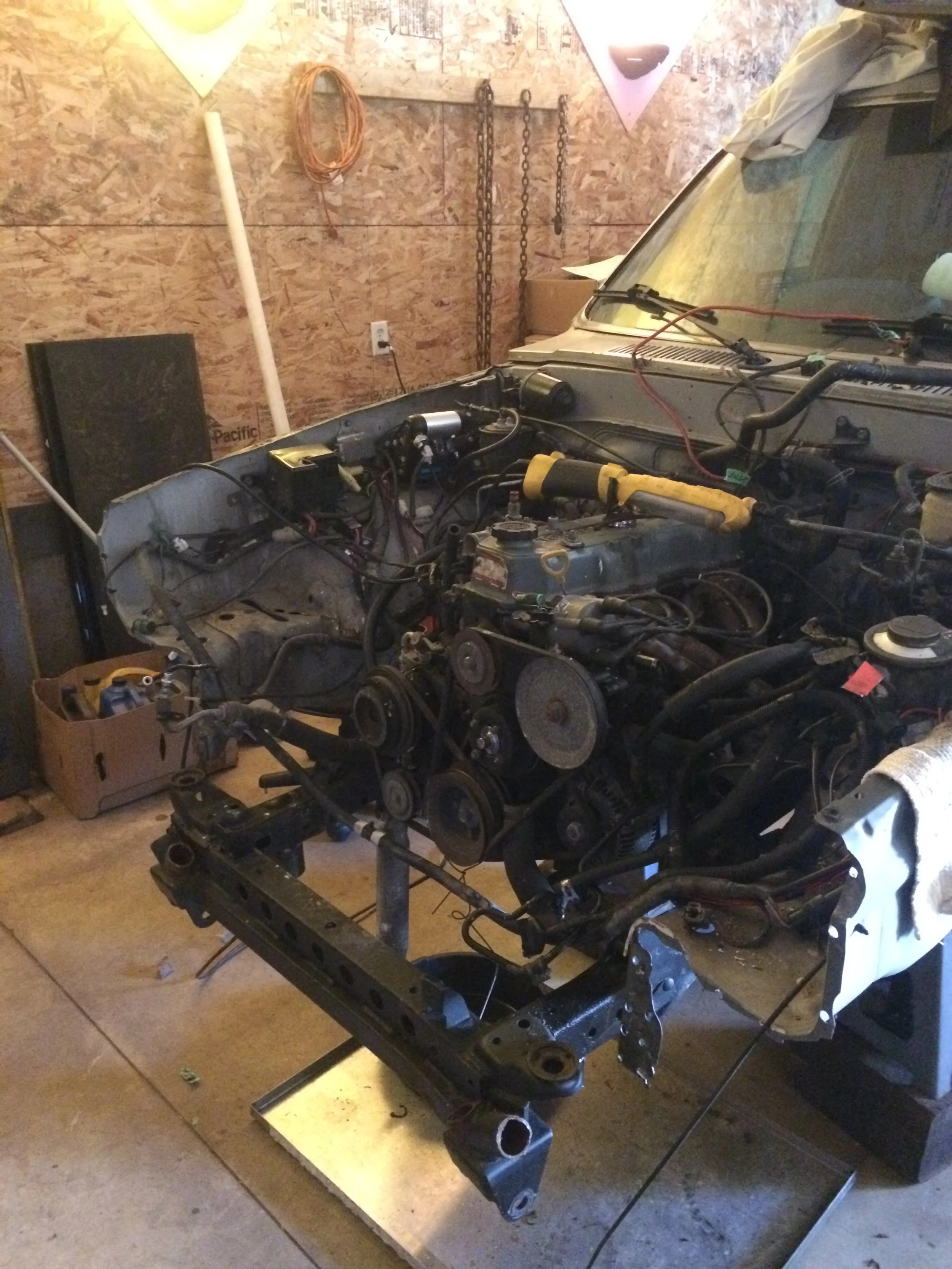
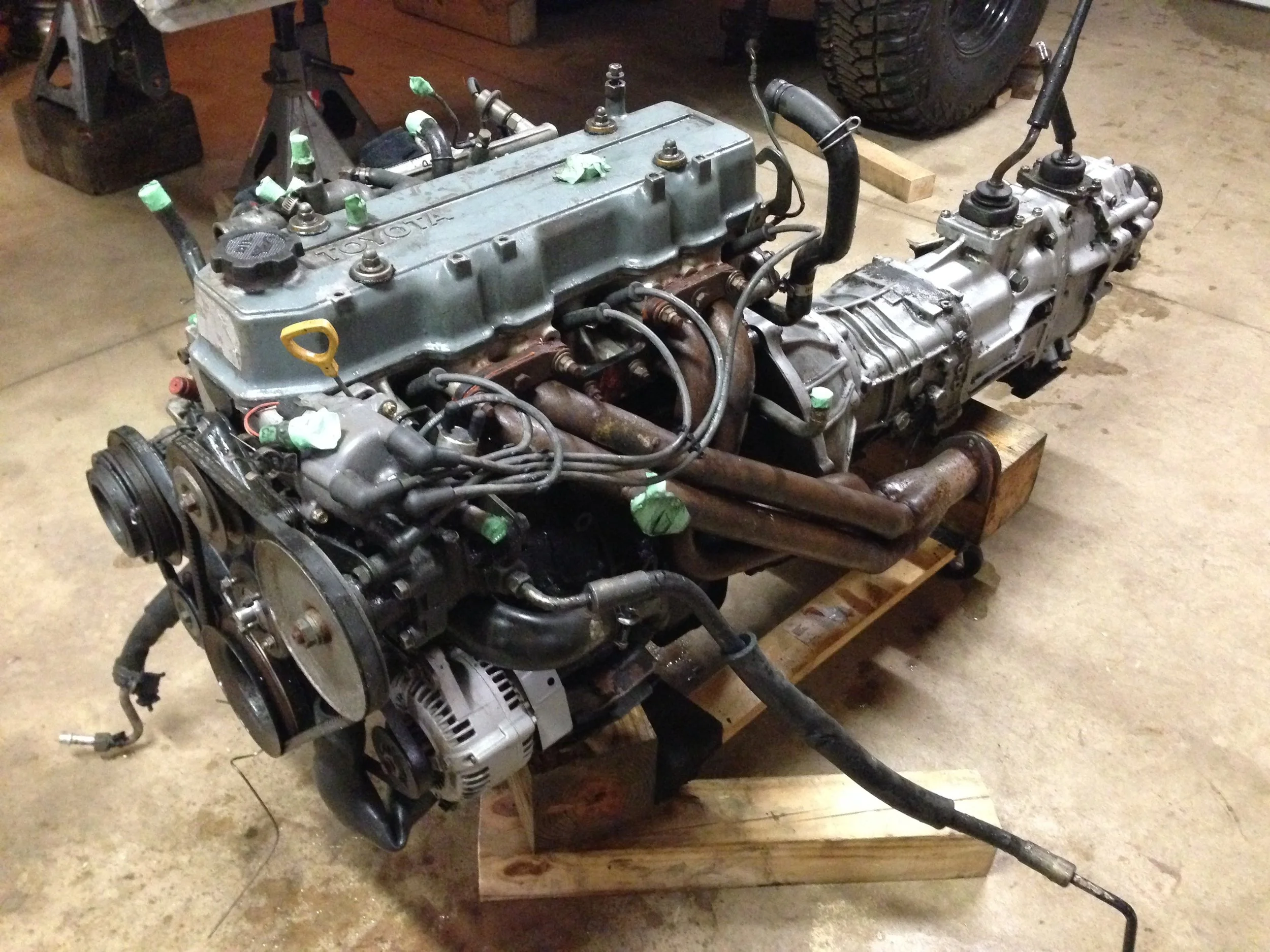
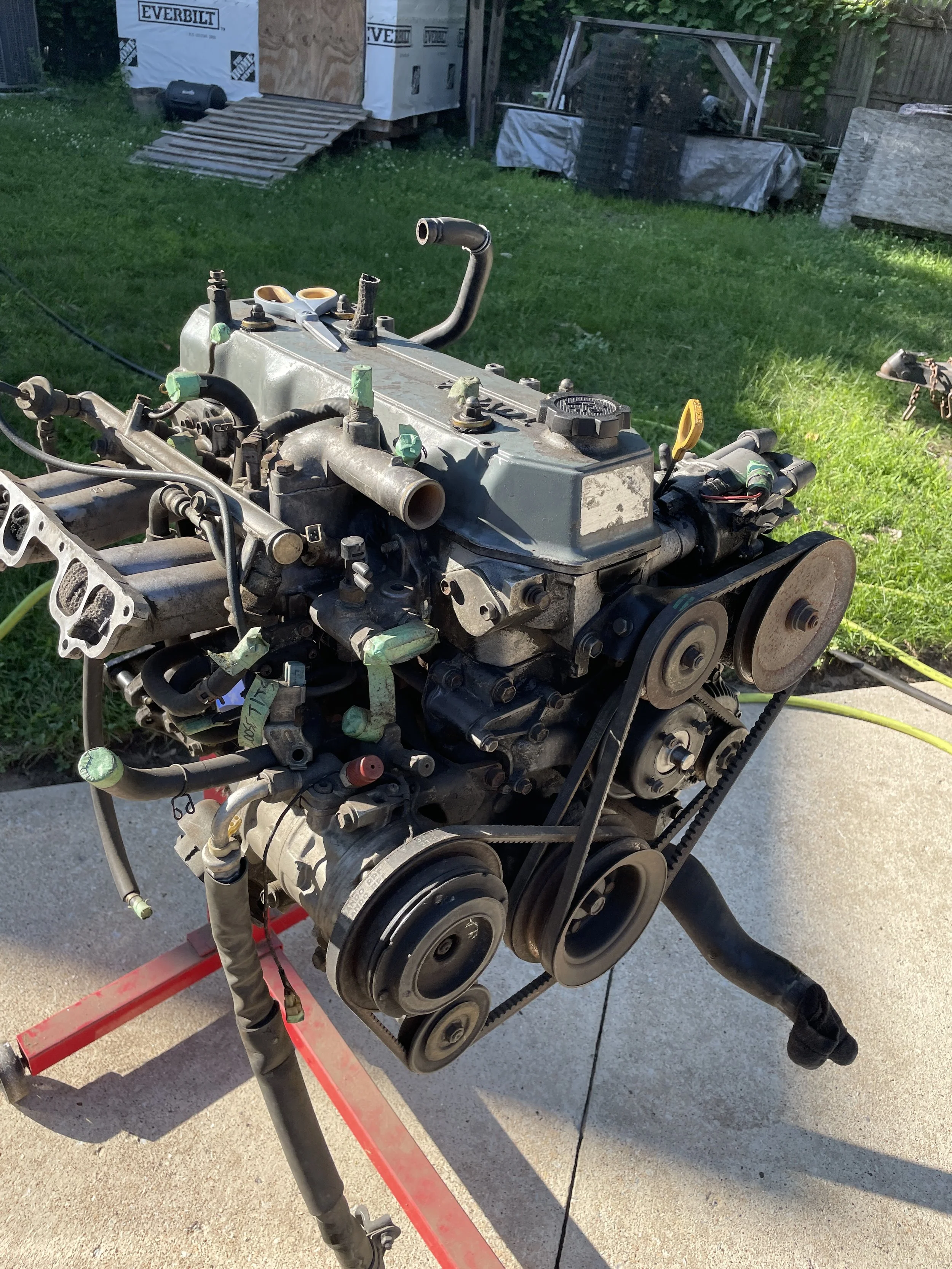
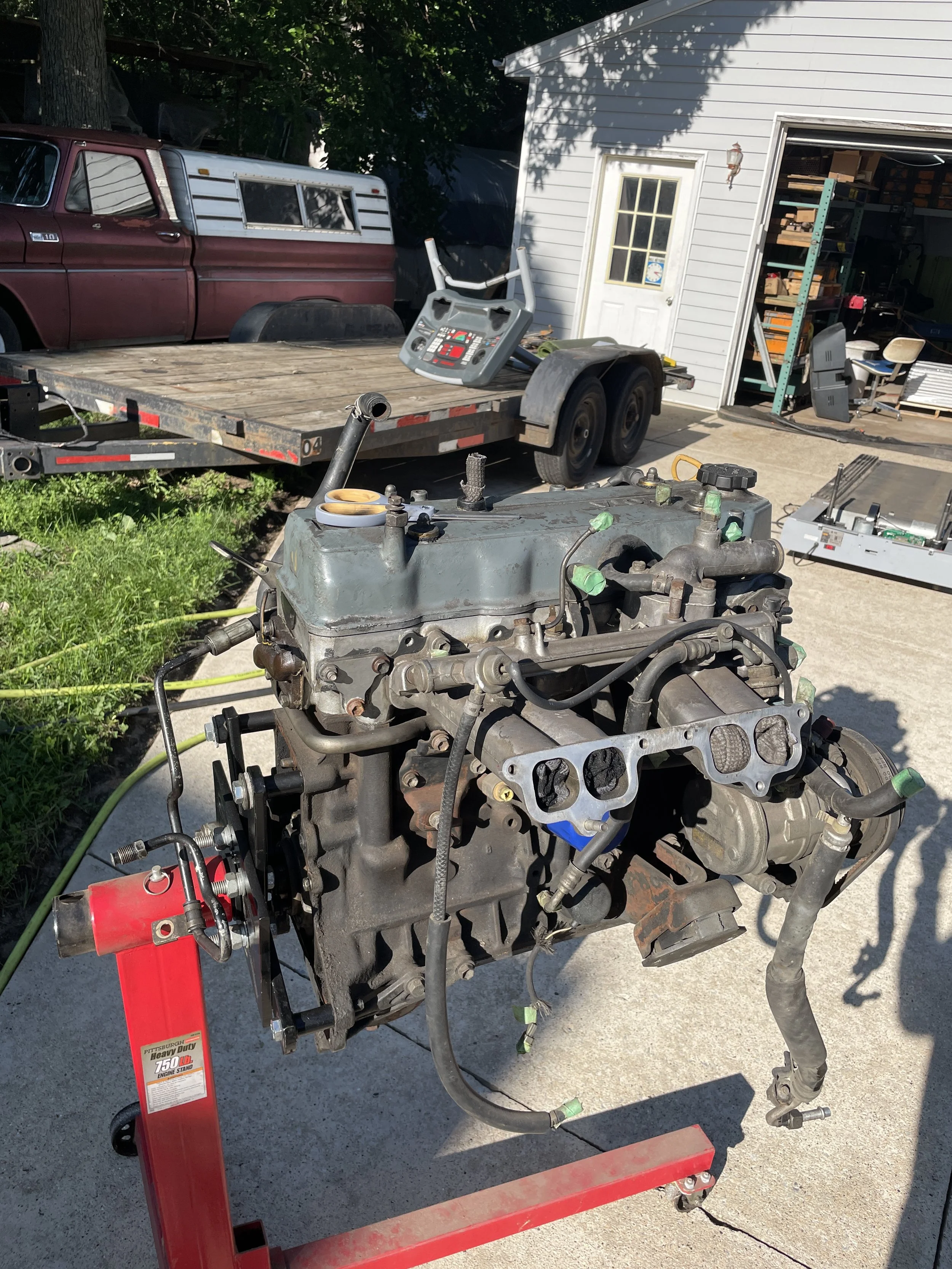
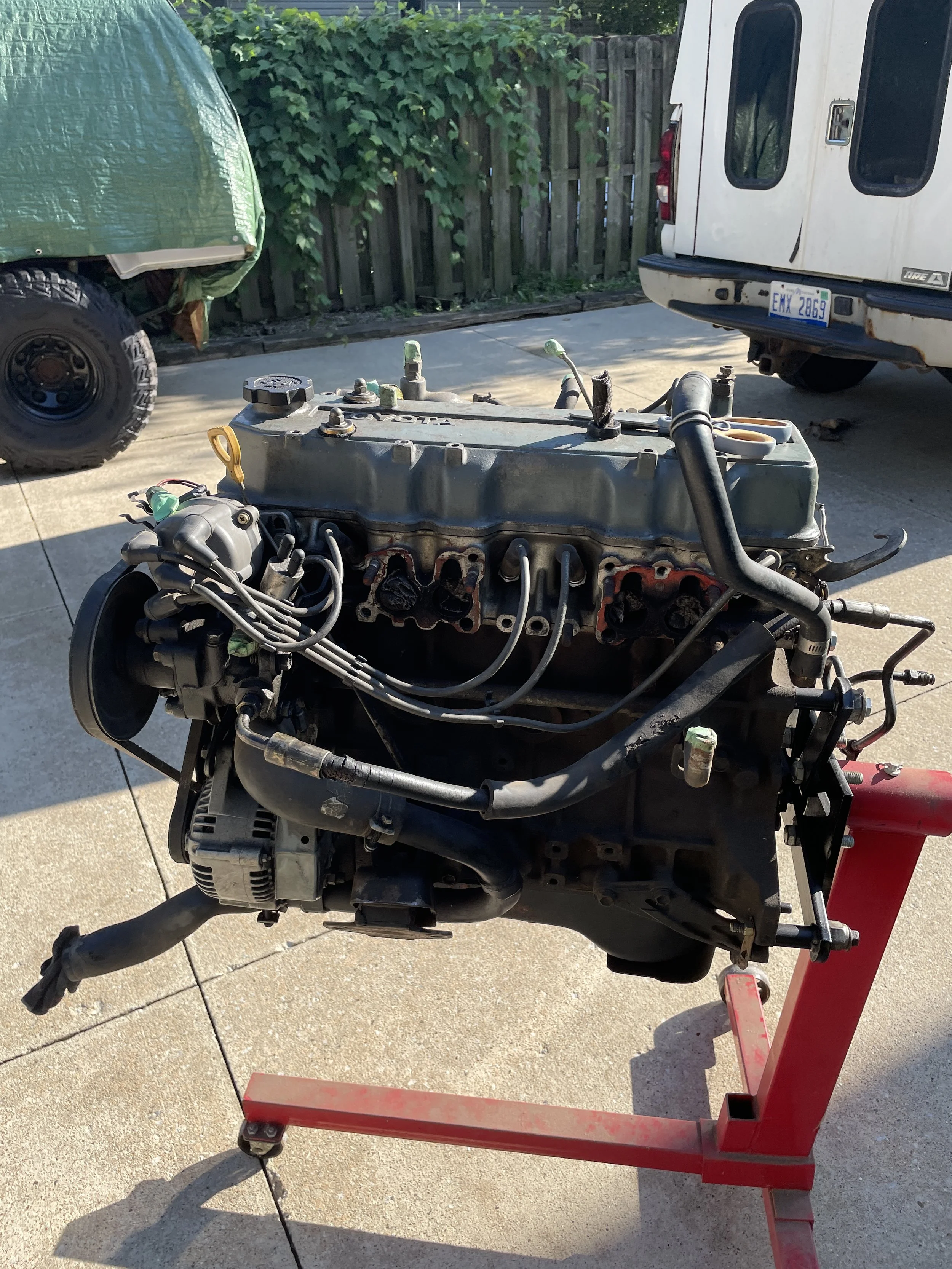
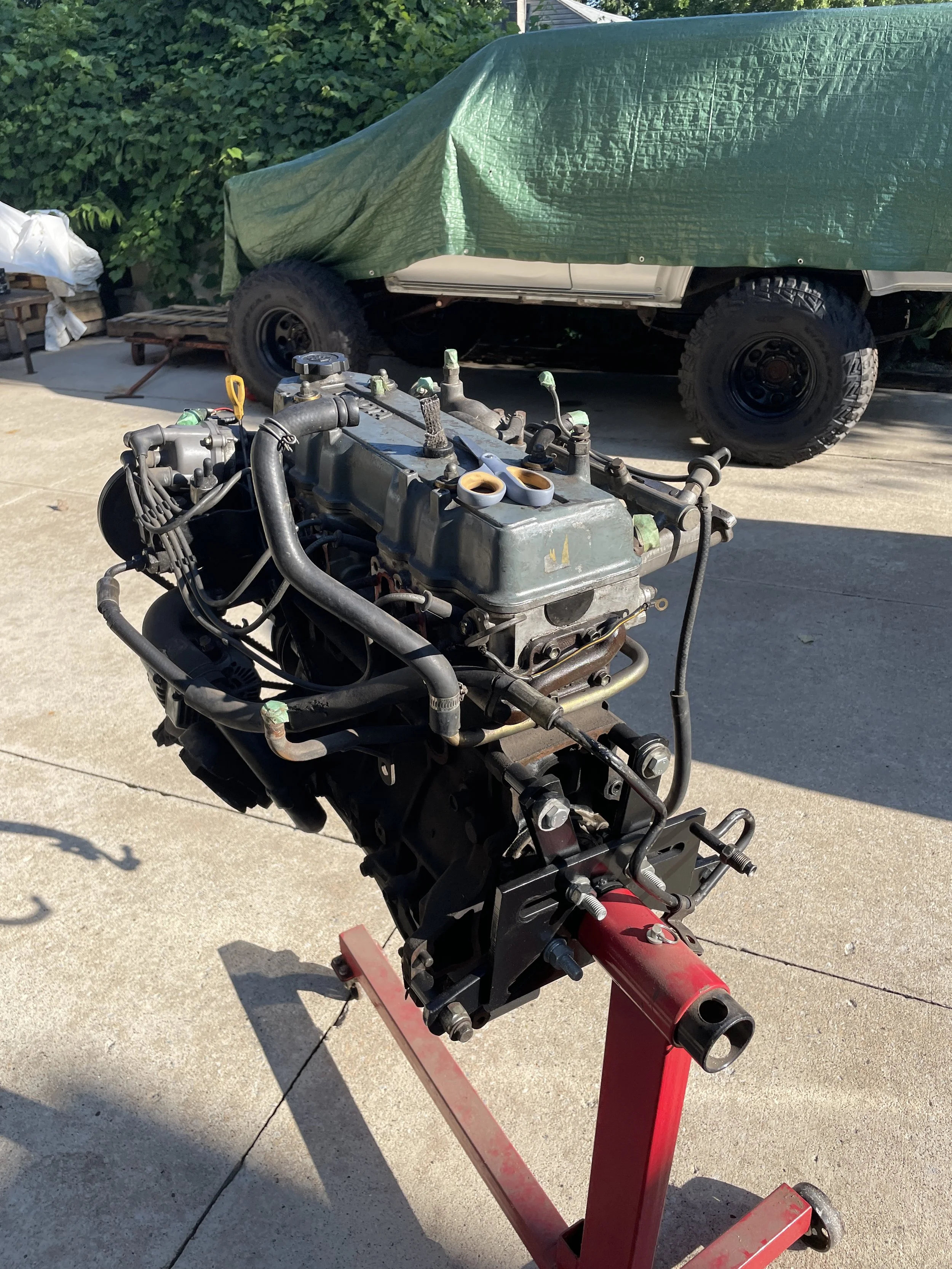
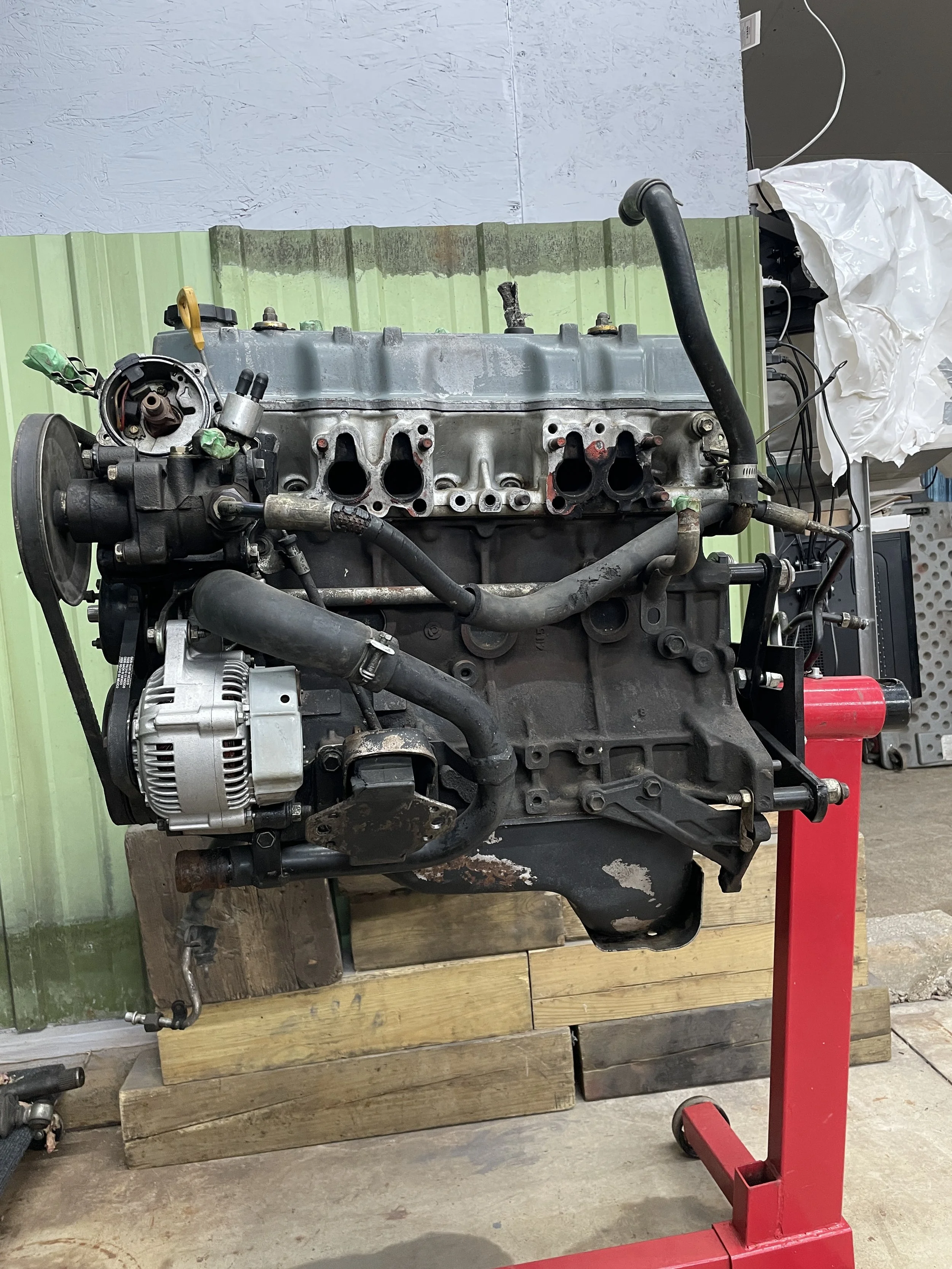
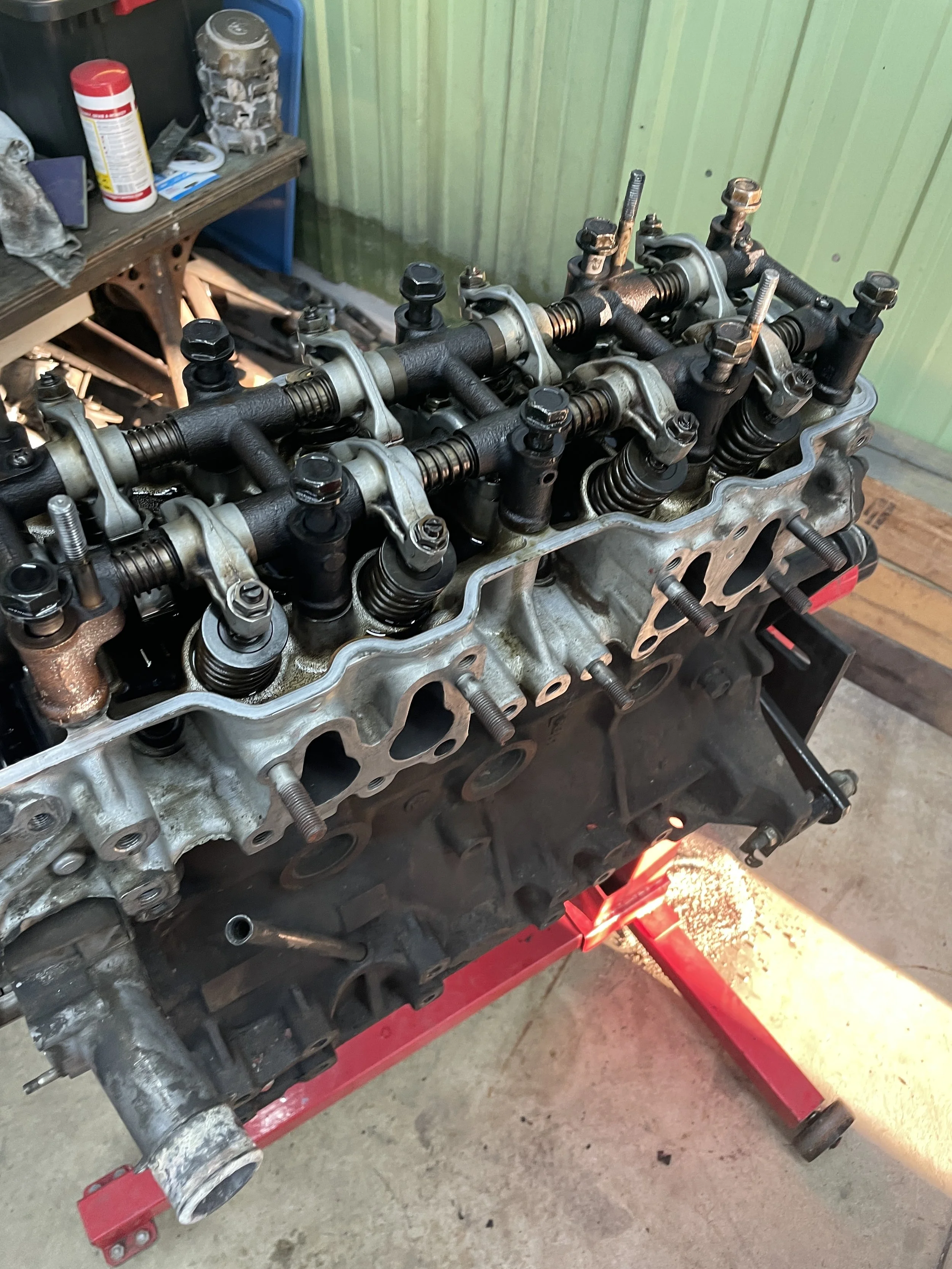
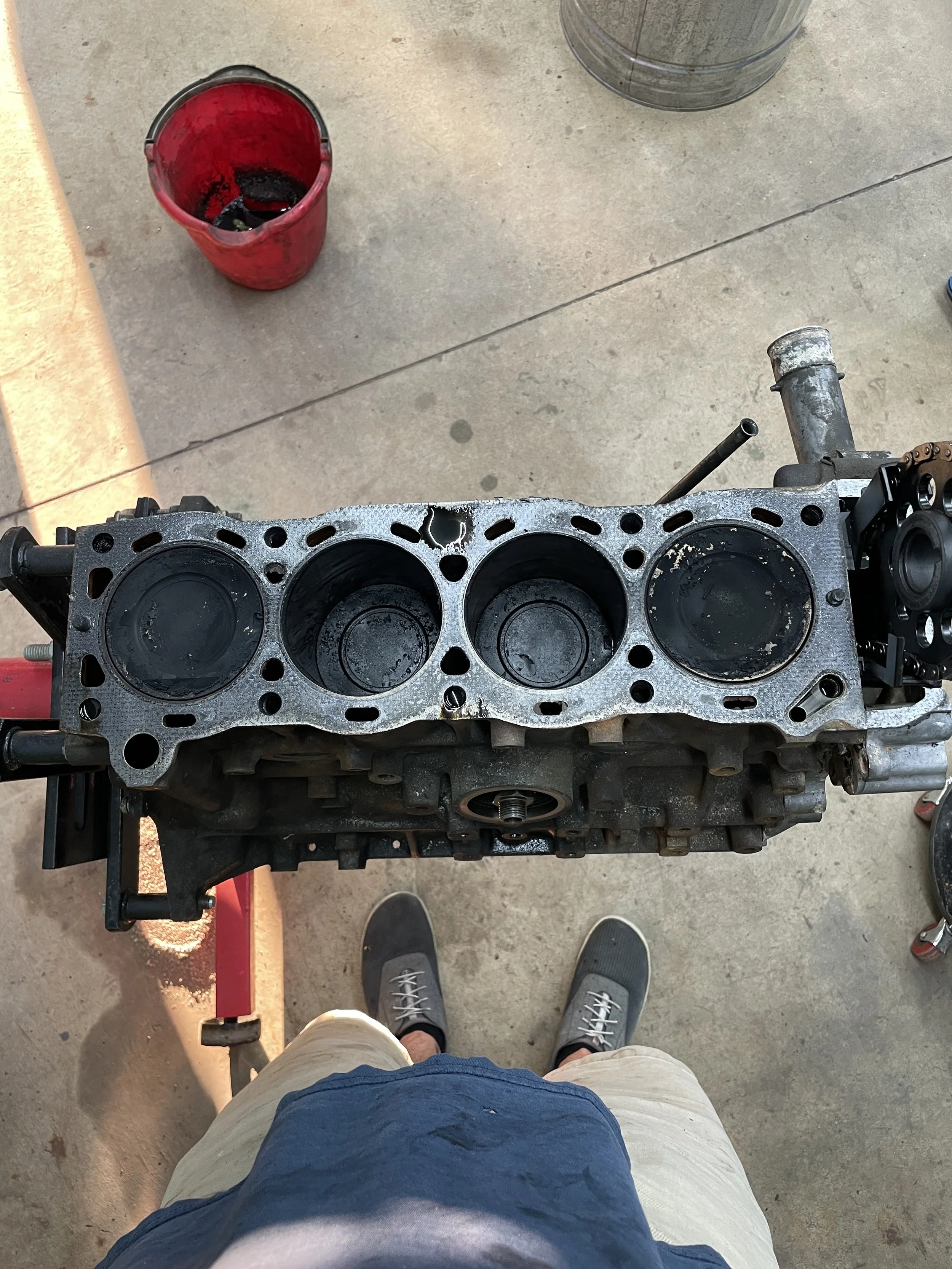
The vehicle spent much of its life in a dry desert environment, which led to degraded seals and widespread fluid leaks. The engine exhibited excessive oil consumption, overheating, and inconsistent performance, indicating significant internal wear.
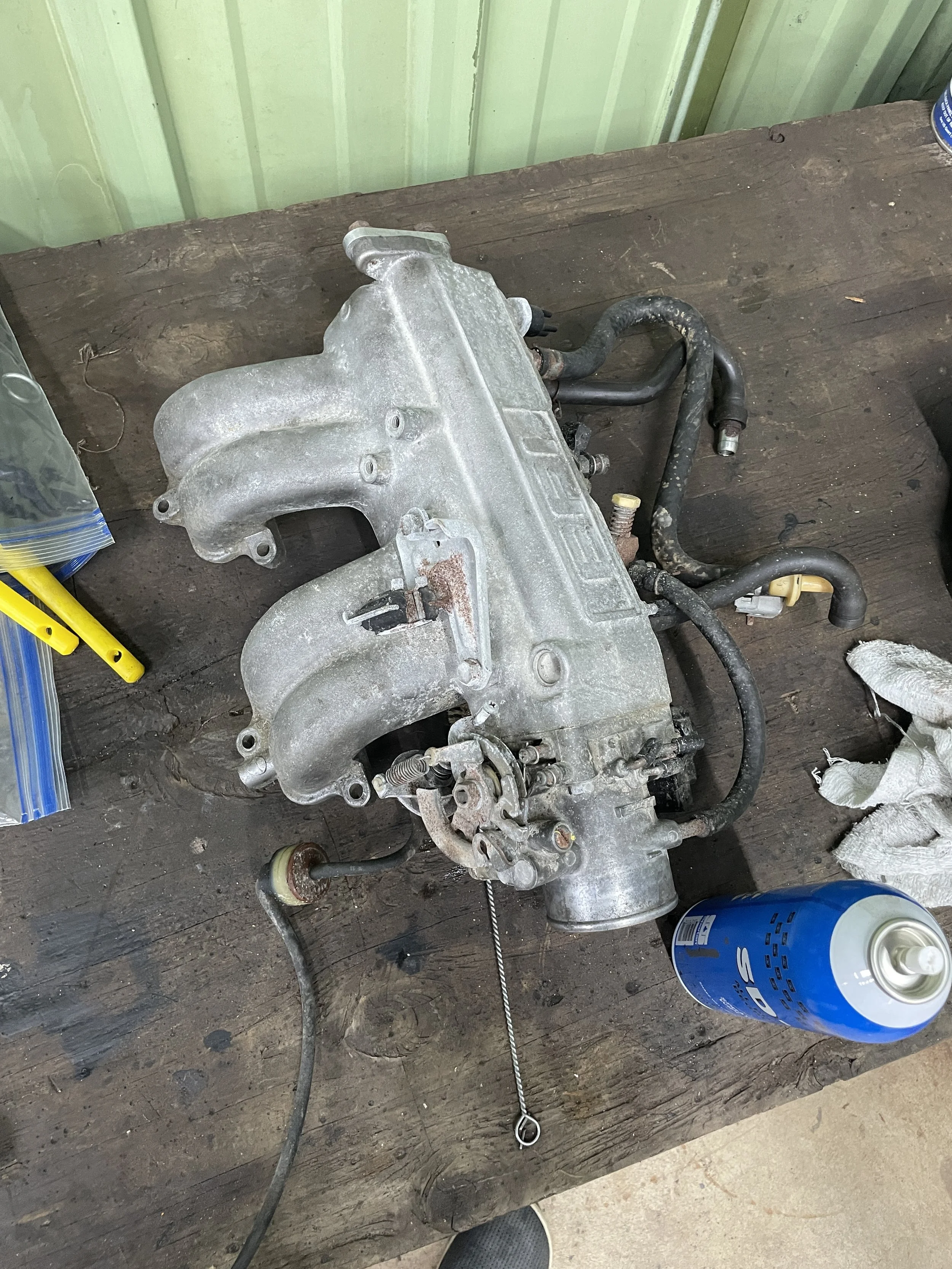
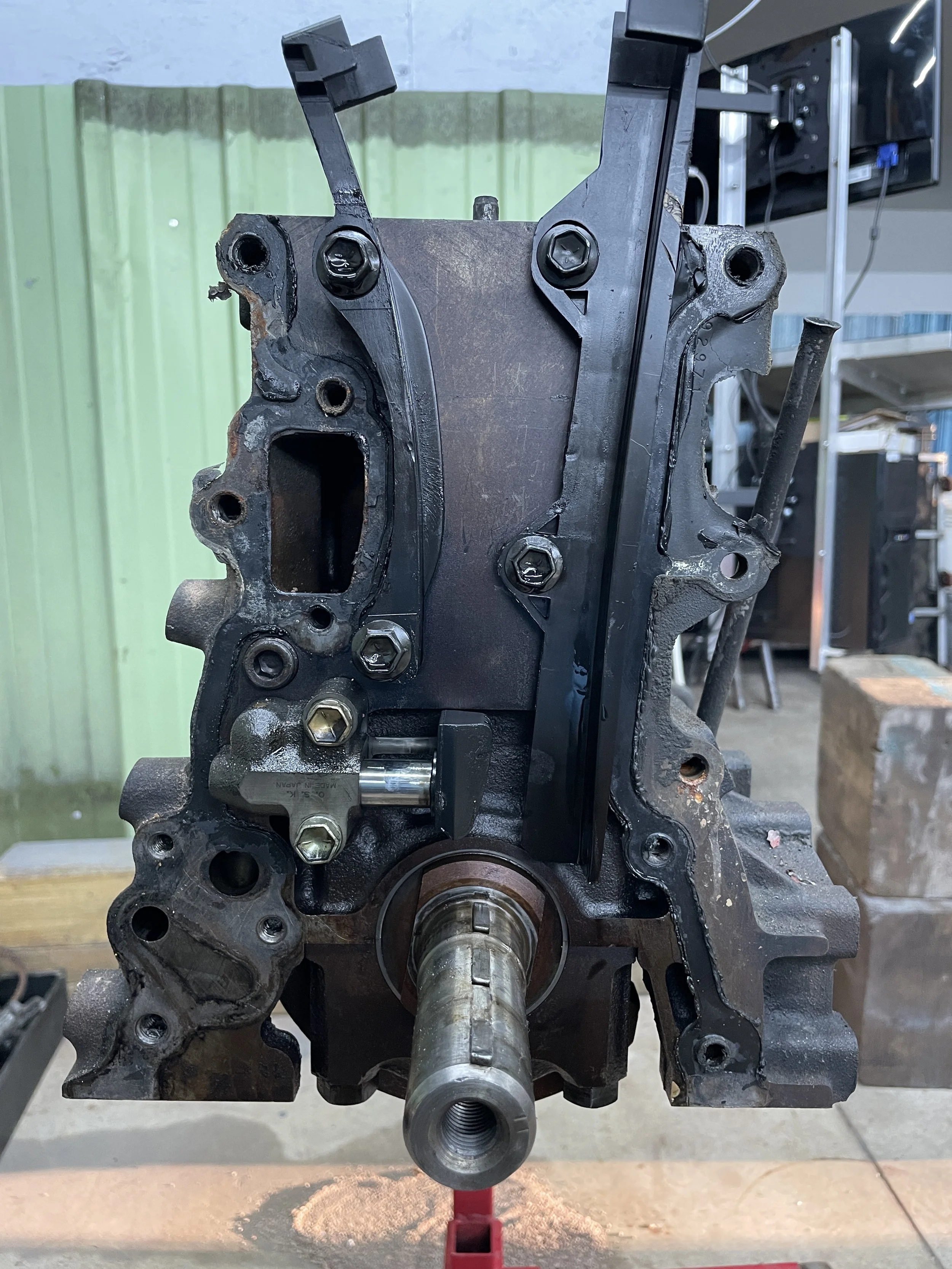
Initial teardown revealed heavy carbon buildup within the combustion chambers and intake tract, along with worn timing components. Inspection of the cylinder bores showed signs of wear and oil bypass past the piston rings, evidenced by carbon deposits and residue above the piston crowns.
The engine was removed and fully disassembled to establish a clear baseline condition and identify all failure points prior to machining and reassembly.
Rebuild Process
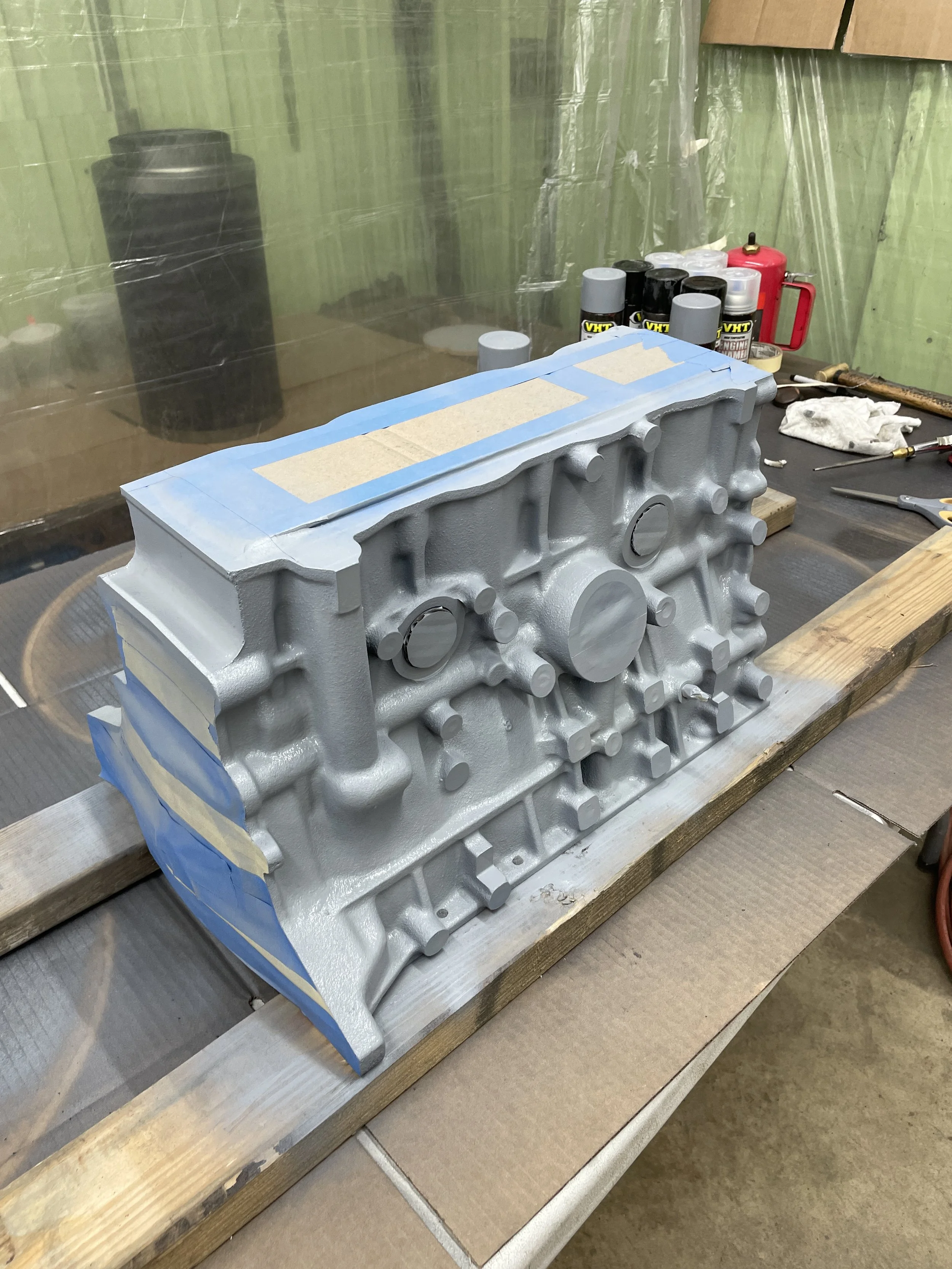
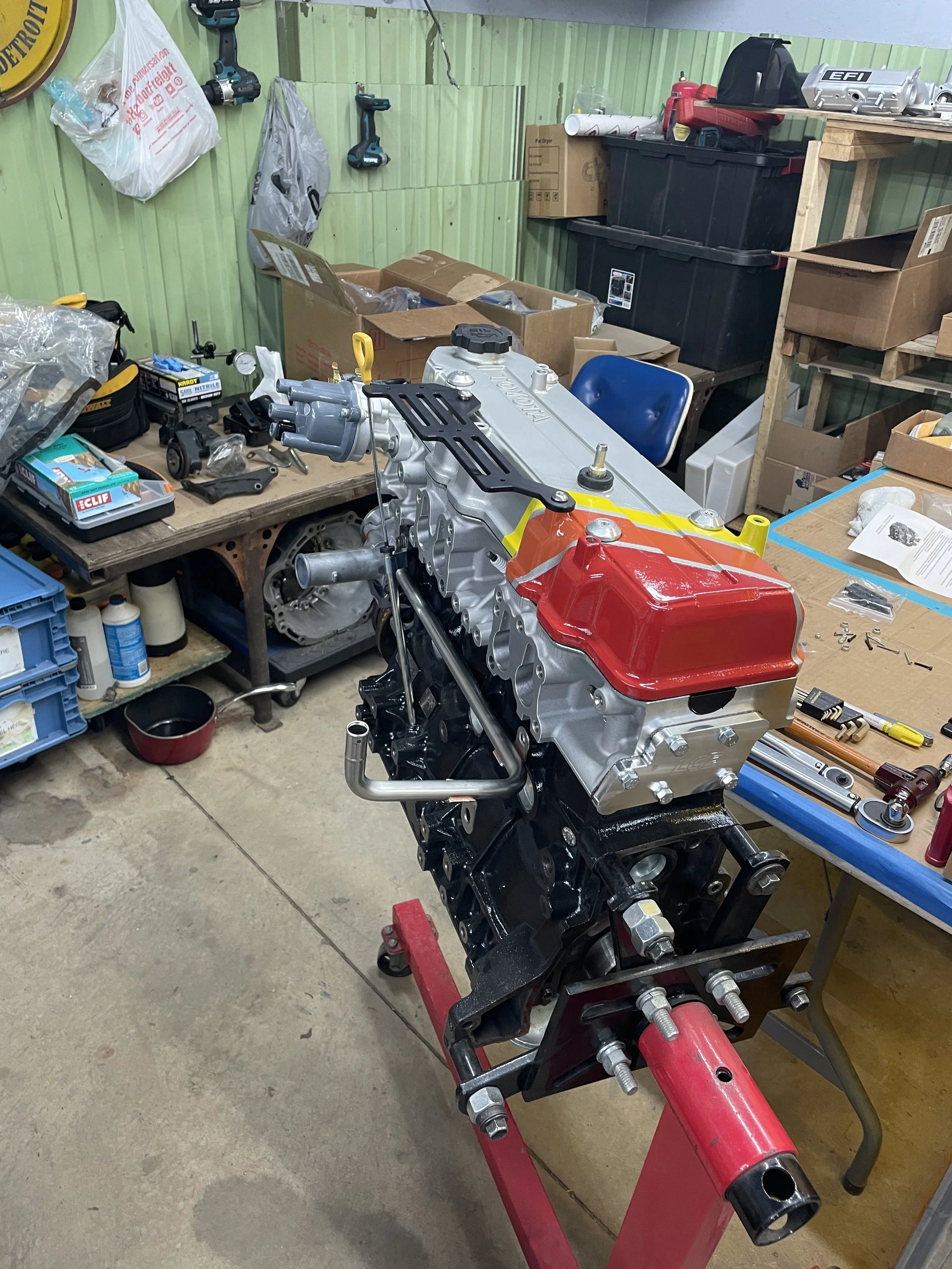
The engine was fully disassembled to a bare block and sent to a local machine shop for inspection and machining. Once returned, the block was cleaned, prepped, and refinished prior to reassembly.
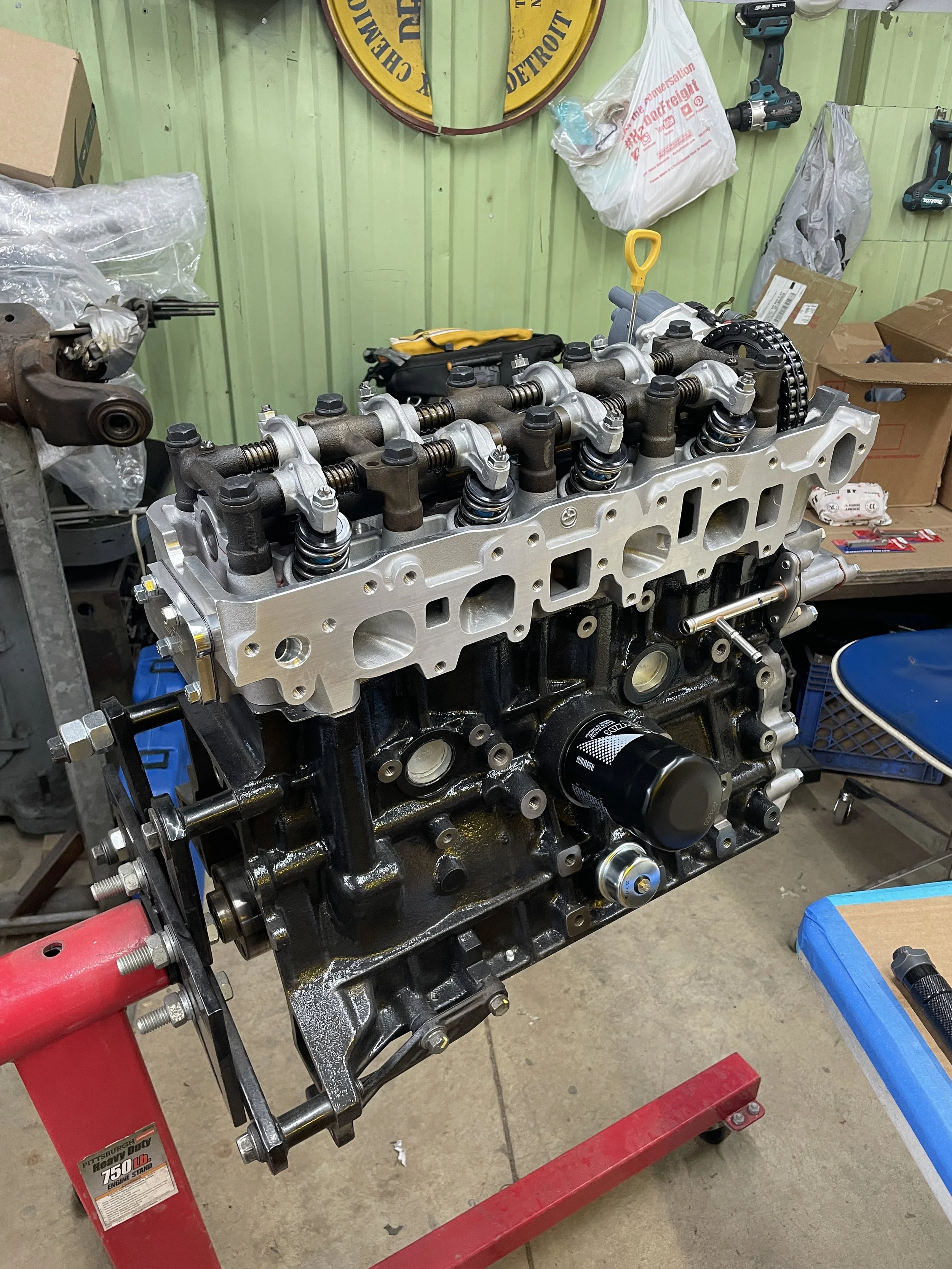
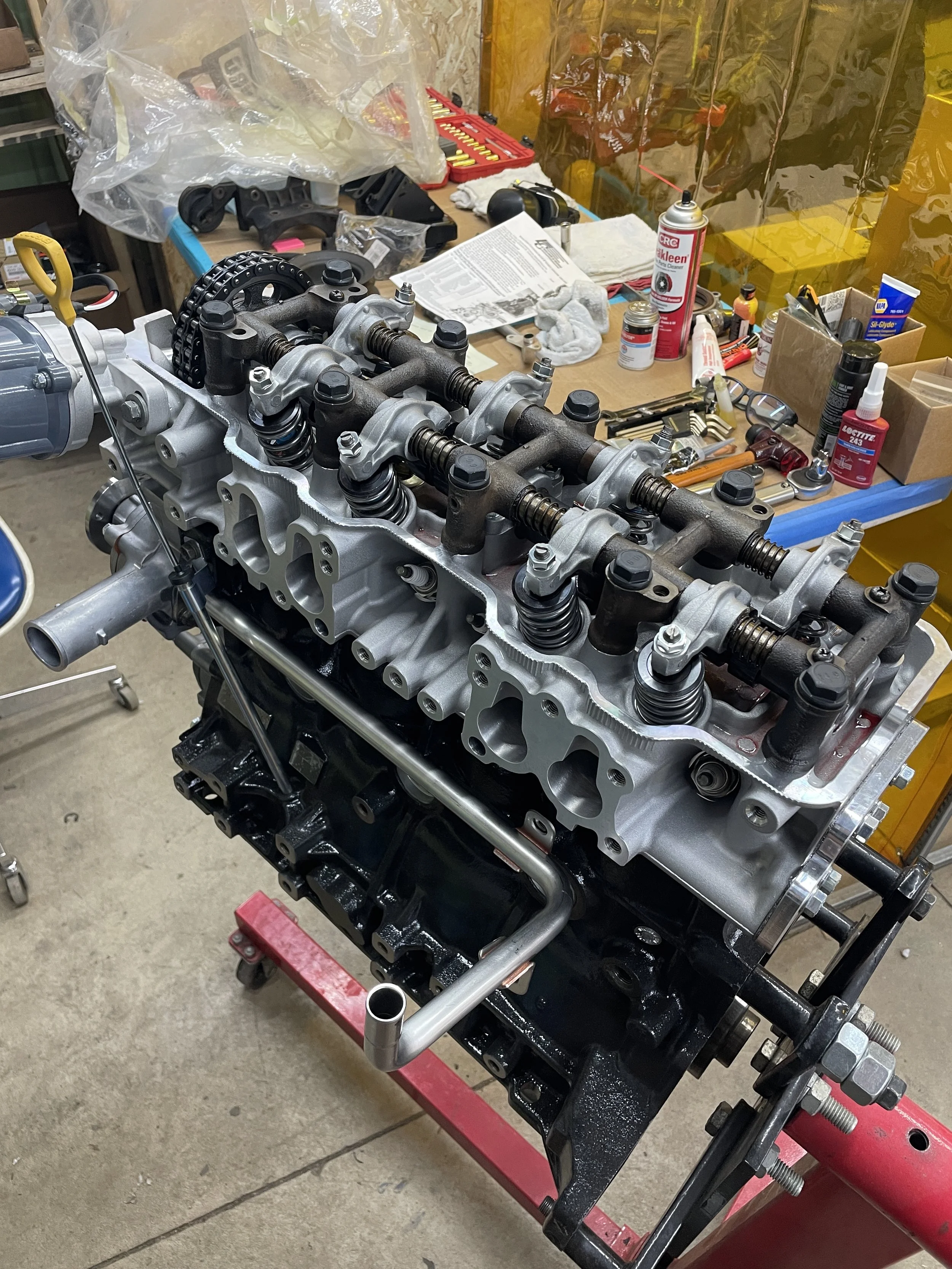
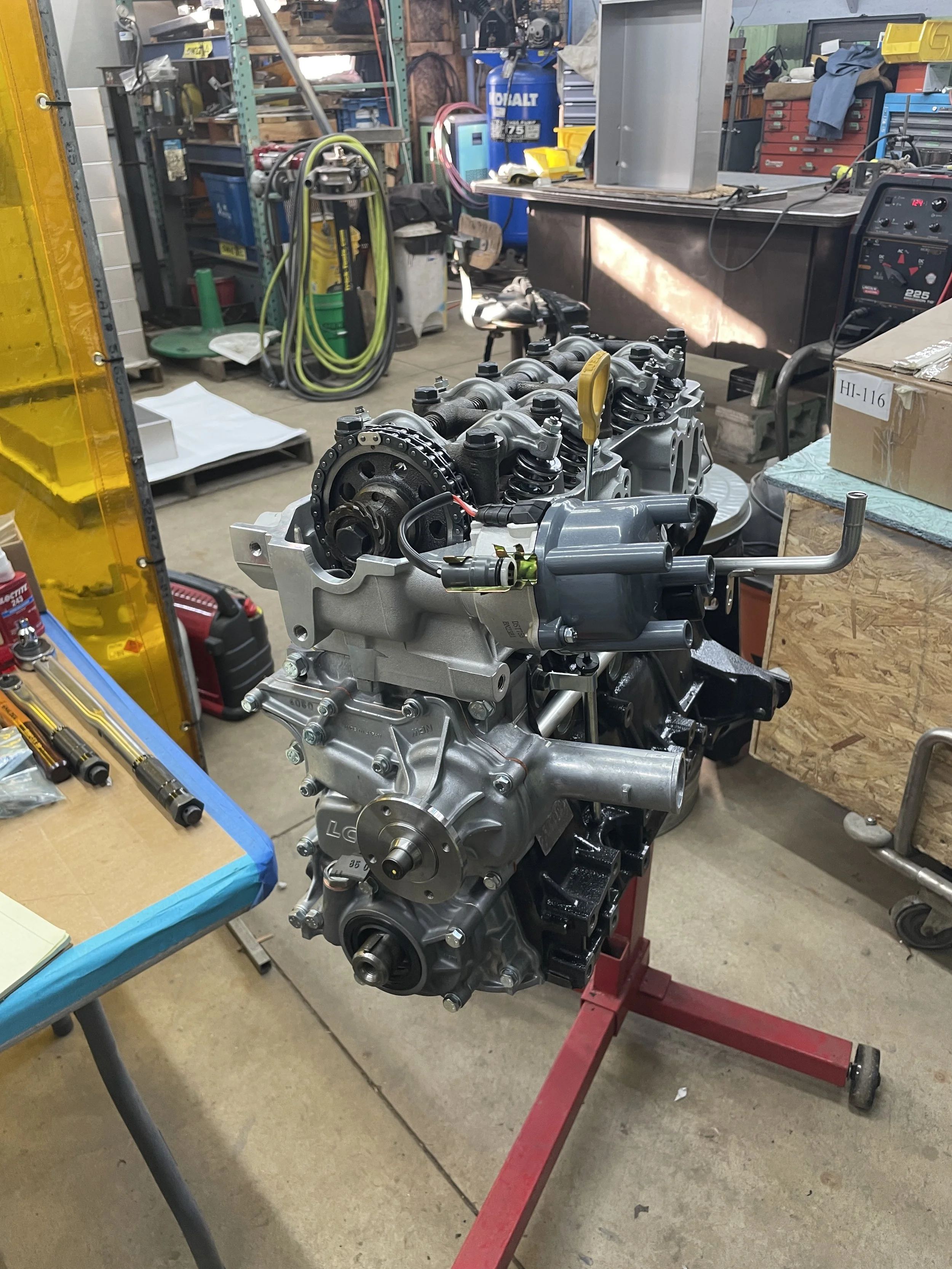
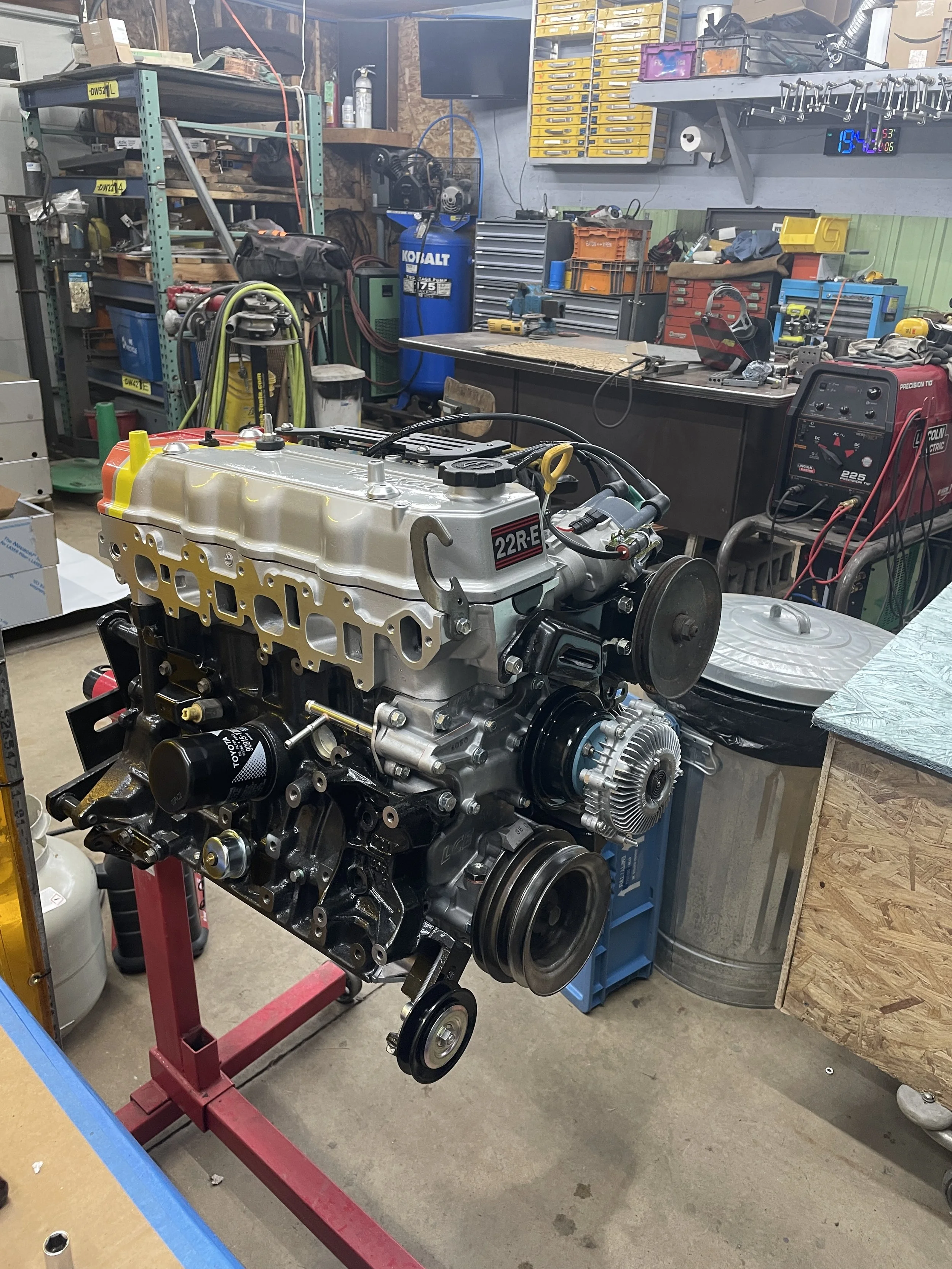
Reassembly followed a bottom-to-top approach, beginning with installation of the crankshaft, bearings, and piston assemblies. Care was taken to follow factory torque specifications and assembly procedures throughout the build. The timing system was upgraded to a dual-row configuration with new guides and components to improve long-term reliability.
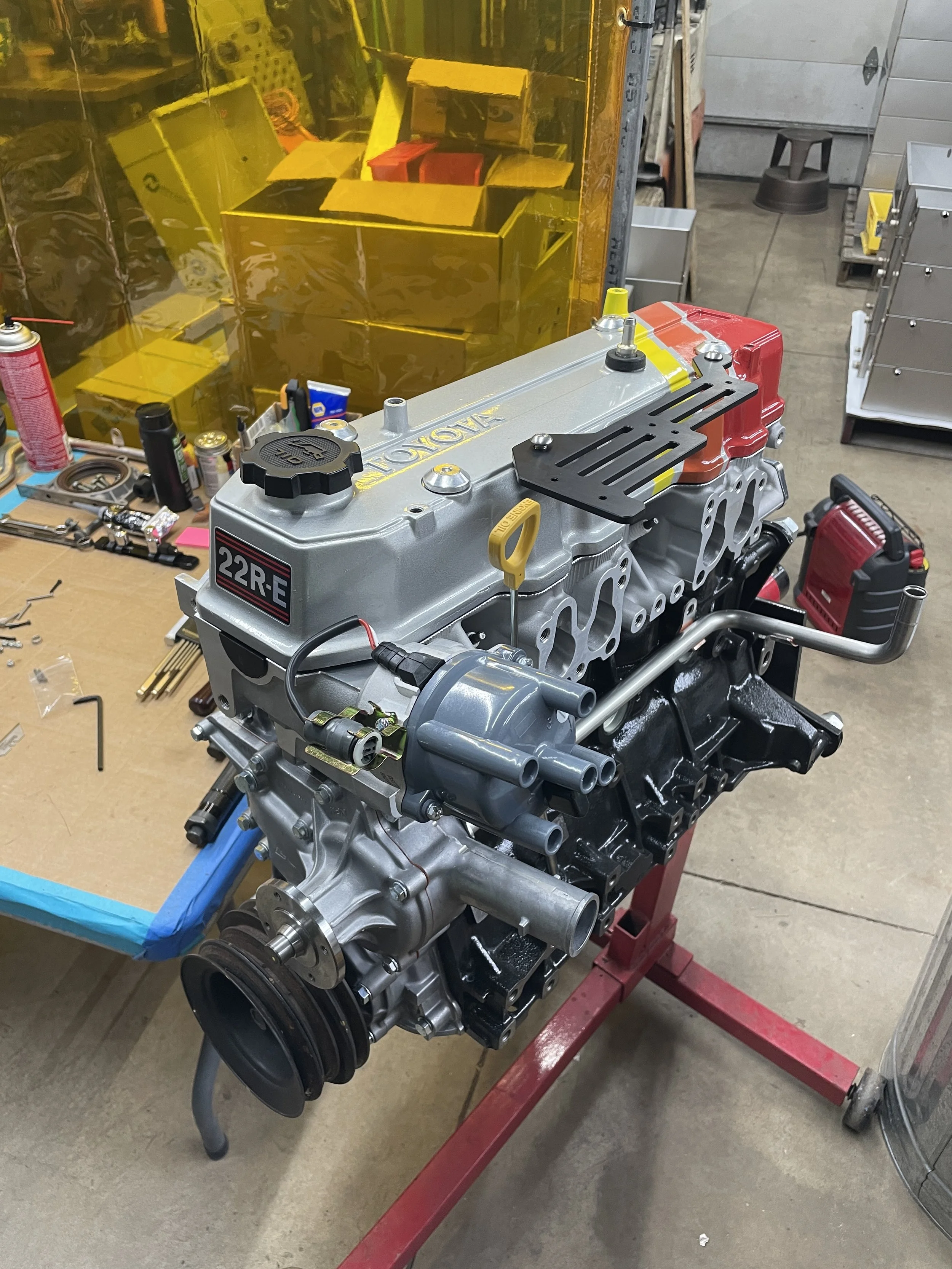
The cylinder head and valvetrain were installed and configured with upgraded components, followed by final assembly of ignition, cooling, and accessory systems. In parallel, the engine wiring harness was disassembled, repaired, and restored to ensure reliable operation.
To manage the rebuild, a parts tracking system was developed to organize component sourcing, track part numbers, and coordinate ordering and delivery. This helped streamline the process and reduce delays during reassembly.




Post Rebuild Status
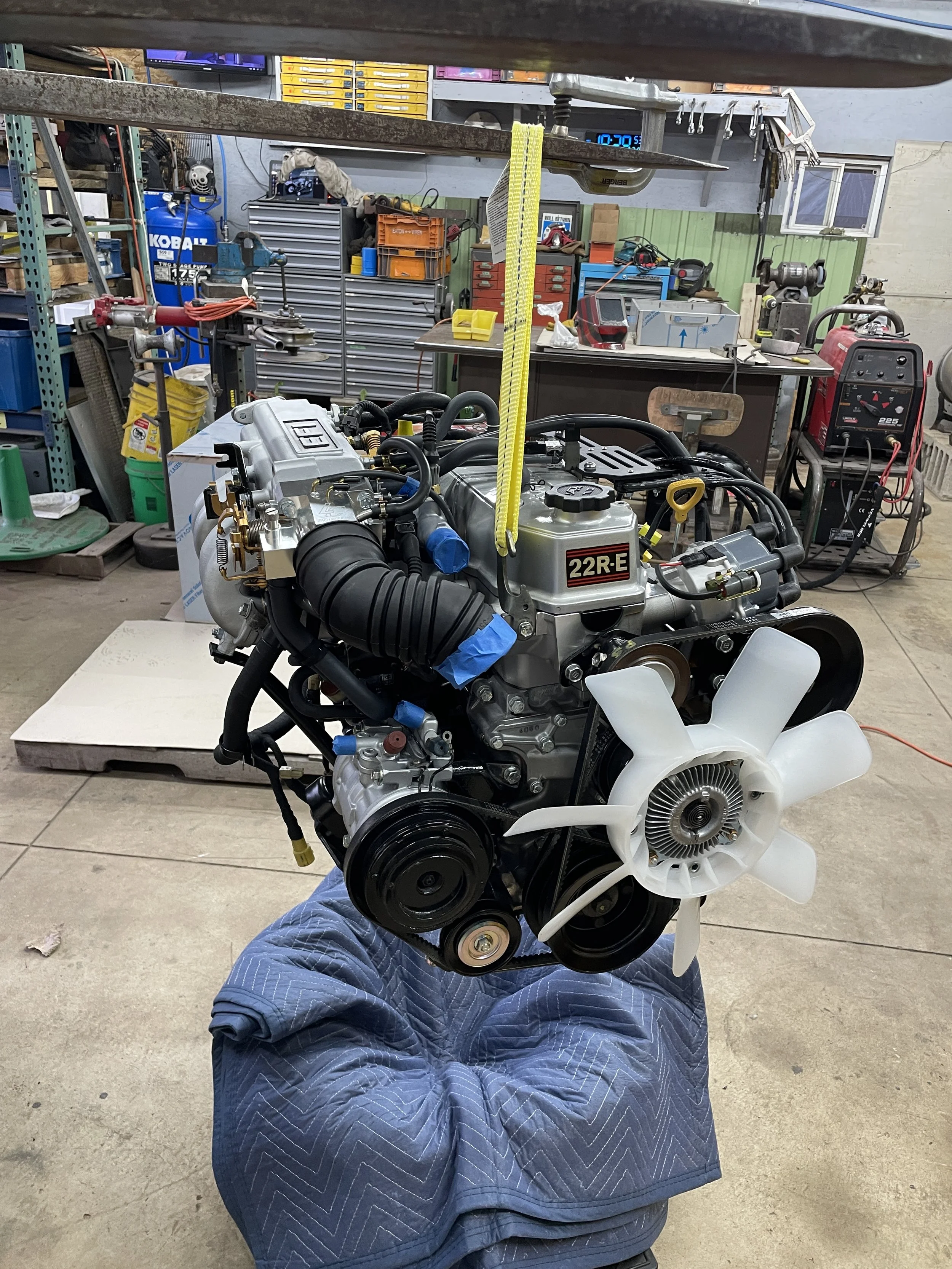
The engine has been fully reassembled with all major components installed and torqued to specification. Final assembly includes upgraded internal components, restored wiring, and new supporting systems for cooling, lubrication, and ignition.
The engine is currently installed and prepared for initial startup and break-in. Supporting components, including the transmission and transfer case, were cleaned and serviced with new seals where needed to ensure reliable operation as part of the overall drivetrain system.
At this stage, the rebuild is complete and ready for validation, with initial startup and system checks planned to confirm performance and reliability.


Videos
Watch on YouTube
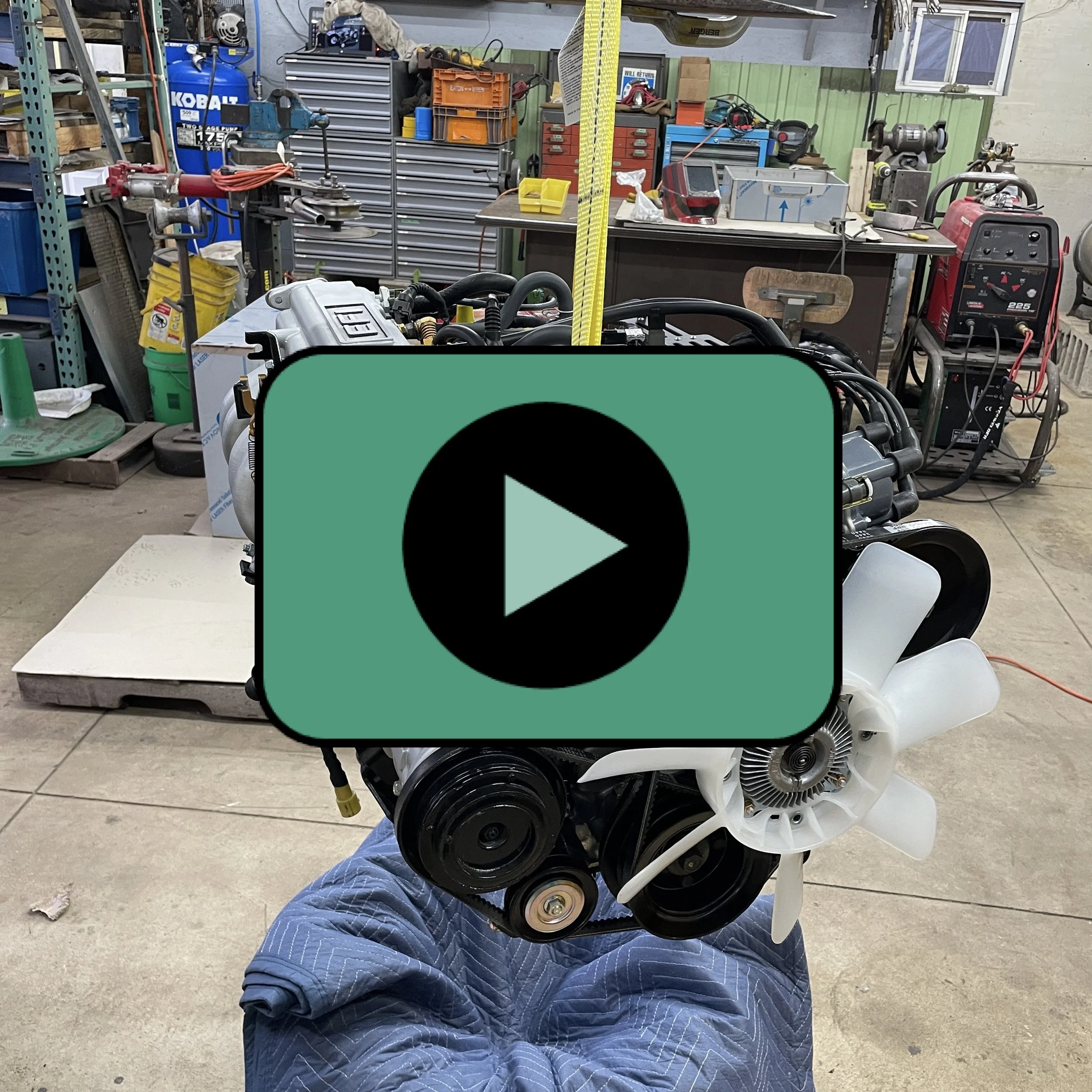
A Quick Walk Around